
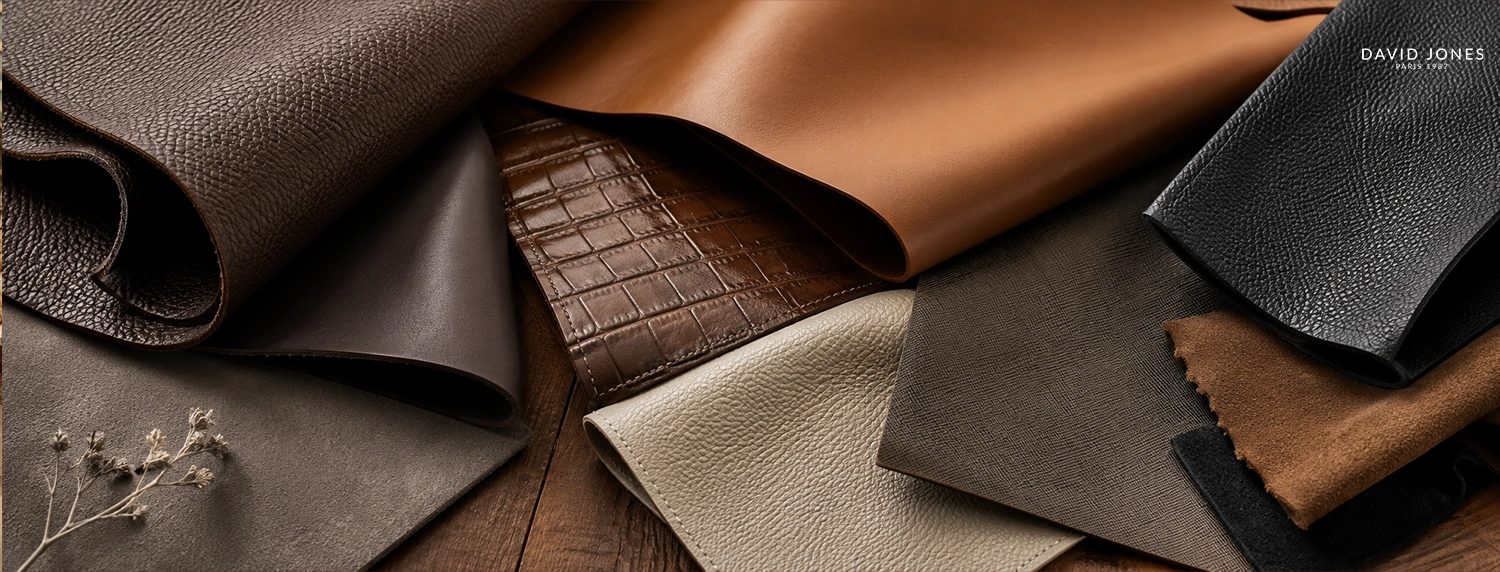
Complete leather buying Guide
The art of craftsmanship has one old treasure; this treasure has survived ages, centuries and decades. Surviving from the ice age to the rise of the human empire. But why are leather and more technically animal hide products so popular? In this article we’ll take a comprehensive look at the world of leather, from production to types and a guide on how you can make the best purchase.
leather production
Leather is a natural, durable material made from the tanned hide or skin of animals, most commonly cattle, sheep, goats, and pigs. The answer to leather’s strength is what nature has gifted the animal skin. The natural collagen in animal skin can be used and nurtured to be more stabilized for long-term use. This collagen has features such as strength and durability, flexibility and softness, breathability, most importantly patina and if you want material for long-term use, leather is your go-to.
How leader is made ?
Through a specialized process called tanning, the raw hide, highly prone to decay, is transformed into a stable, flexible, and long-lasting material that resists decomposition.
The leather manufacturing process is typically divided into three fundamental stages: preparatory processes, tanning, and crusting. Each stage plays a critical role in transforming raw hide into a stable and workable material. Each of these steps can be complicated and play a fundamental role in the final quality of the leather. In many cases, a fourth stage—finishing—is included to enhance the leather’s appearance, texture, and performance characteristics; however, not all leathers undergo finishing, as some are left in their more natural state to preserve their original look and feel.
The first step, or preparatory stage, is when fresh animal hide or skin goes through a cleaning phase by hair removal and epidermis removal, and natural fats are removed using alkaline solutions. The idea is that leather has to be prepared for the second process, which is tanning. For better and higher-quality leather, the material has to keep its natural unique features including moisture, and by that means hides are rehydrated to restore natural moisture and flexibility. By the end of this stage, the animal hide turns into a clean and chemically prepared material for production.
Tanning is the key step; this is the critical step determining the quality of the leather. When it comes to the tanning industry, everything depends on this step.
Like we mentioned earlier, collagen is what makes skin durable and a dead skin cannot use its collagen production ability. Through the tanning process, tanning agents, often vegan or aldehyde or even oil and mineral, stabilize the collagen with the help of proteins. This helps transform the animal hide into a material prepared for everyday use.
This process contains curing, soaking, liming, deliming and bating and pickling, each taking part in the process of stabilizing the collagen by retreating the skin after using salt for curing and then pH of the collagen is reduced so that the leather, with the help of enzymes depending on the end use of the leather, can be purified.
But the process is still not over; through crusting and finishing, leather cuts into the proper thickness and turns into a soft, flexible, and usable material ready for finishing or direct use.
Some industries prefer their leather material to be aesthetically pleasing and require unique appearance standards; the last step requires the tanning process to include polishing and refining the texture for a sleeker and chicer-looking final product.
H2: Leather Types and Grades
To understand the leather structure, we need to understand that animal skin has three layers. Below the hair is where the grain or the highest quality and richest collagen exists and the leather has kept all the natural structure of animal skin protection and can easily create patina.
In leather terminology, patina refers to the natural aging effect that develops on leather over time with use and exposure. Patina indicates the natural goodness contained in hide and it enhances aesthetic appeal over time.
The top layer also is where the most fiber is included and it is safe to say the leather with the most natural fiber and collagen is the highest quality of them.
Full Grain Leather:
With the highest quality grade among all leather types, a popular option for leather handbag, this material might be quite rare, considering it went through no sanding and buffing. Keeping all the natural richness intact is a complex process and therefore this type of leather is expensive.
Top Grain Leather:
you might not be a fan of the all-natural full grain look, the top grain is the second highest quality and it has a more polished corrected look. We can say that in this leather, beauty is preferred over the more protective feature of the full grain leather. Full grain leather has been known as the material for wallet purchasing.
Genuine Leather:
Unlike its name, the term genuine leather is misleading and therefore is a medium to lower quality leather.
Genuine is a group of leather products that to some degree contain “real leather”. This type of leather is obtained from the lower layers of animal skin and can have 1 or even 100 percent actual leather.
Split Grain Leather:
A type of medium to low quality and economical leather—usually when the top layer of leather is cut, the bottom layer is used to create split grain leather.
Bonded Leather:
A creative way to decrease the environmental impact of production is by making bonded leather, shredding leftover scraps and using extra fiber material for a better structure are the basic necessary steps to create this type of leather.
Leather Types by Finish and Surface Treatment (Animal Leather)
Leather Suede:
The suede finish is the vibe of a classic look. Its soft and fuzzy leather finish is made from the inner layers of hide. Suede leather can be faux or genuine or vegan. Its characteristics make it a chic fabric for shoes, bags and coats.
Leather Nubuck:
Usually made from the top grain of the hide, nubuck leather is firm, high quality and often water resistant. Its finish is smoother than suede and has been sanded or buffed. It is a great option for anyone wanting a sleeker textile-like finish.
Patent Leather:
Patent leather is most recognizable; its glossy mirror-like finish is eye-catching, captivating a popular option for coats, shoes and formal style handbags. Patent leather can be real leather made from high quality material.

Leather Types by Animal Source:
Based on the customer’s preference, different animals are used for leather production. Because of their strength, durability and texture, most common types of animal hide are often farming animals and not to mention each type of hide has its own texture, strength, and flexibility, which is why different leathers are suited to different uses.
Cow Leather:
is the most commonly used animal skin in leather industries, often used a lot because of its good balance of strength, durability, and versatility. Cow leather handbags are great options for those requiring strong and durable structure and lightweight material.
Sheep Leather:
sheepskin drapes beautifully, providing comfort without bulk. While it is less durable than cowhide, its refined finish and silky surface make it a popular choice for elegant handbags, gloves, and fashion pieces.
Goat Leather:
goatskin offers a refined yet durable finish that stands up well to daily use. It is naturally more resilient than sheepskin while remaining lighter and more flexible than cowhide, making it an excellent choice for high-quality handbags and accessories.
Exotic Leather Types:
Exotic animals are animals that are not domesticated such as reptiles like lizards, snakes and famously crocodiles. Exotic leathers are commonly known as leathers made from animals that were specifically hunted for their skin. You can see why this is a rather controversial topic due to its moral aspects, but for some people luxury always has a cost. But whether you agree with its morals or not, their beauty is always captivating and has made a significant impact on leather prints.
Non-Animal Leather Alternatives:
not everyone is a fan of leather production procedures and its hardships and impacts on the environment and besides everyone wants a more economical and more advanced option. This is why we suggest alternatives. A topic that’s highly well received by luxury modern brands willing to change the classic norms and take a step further in social issues. Through the past decades these alternatives have become a world of their own and even became popular.
Faux Leather:
Faux leather is a synthetic material engineered to mimic the appearance and texture of real leather, offering an affordable, animal-free, and versatile alternative for fashion and accessories. Faux leather shows no natural imperfections, its lightweight and more flexible giving the product a sleek and chic look. It’s typically made by coating a fabric base (like polyester or cotton) with plastic materials such as polyurethane (PU) or PVC to create a leather-like surface. We cannot claim that faux leather is 100% environmentally friendly but it takes it one step further and it is absolutely cruelty-free.
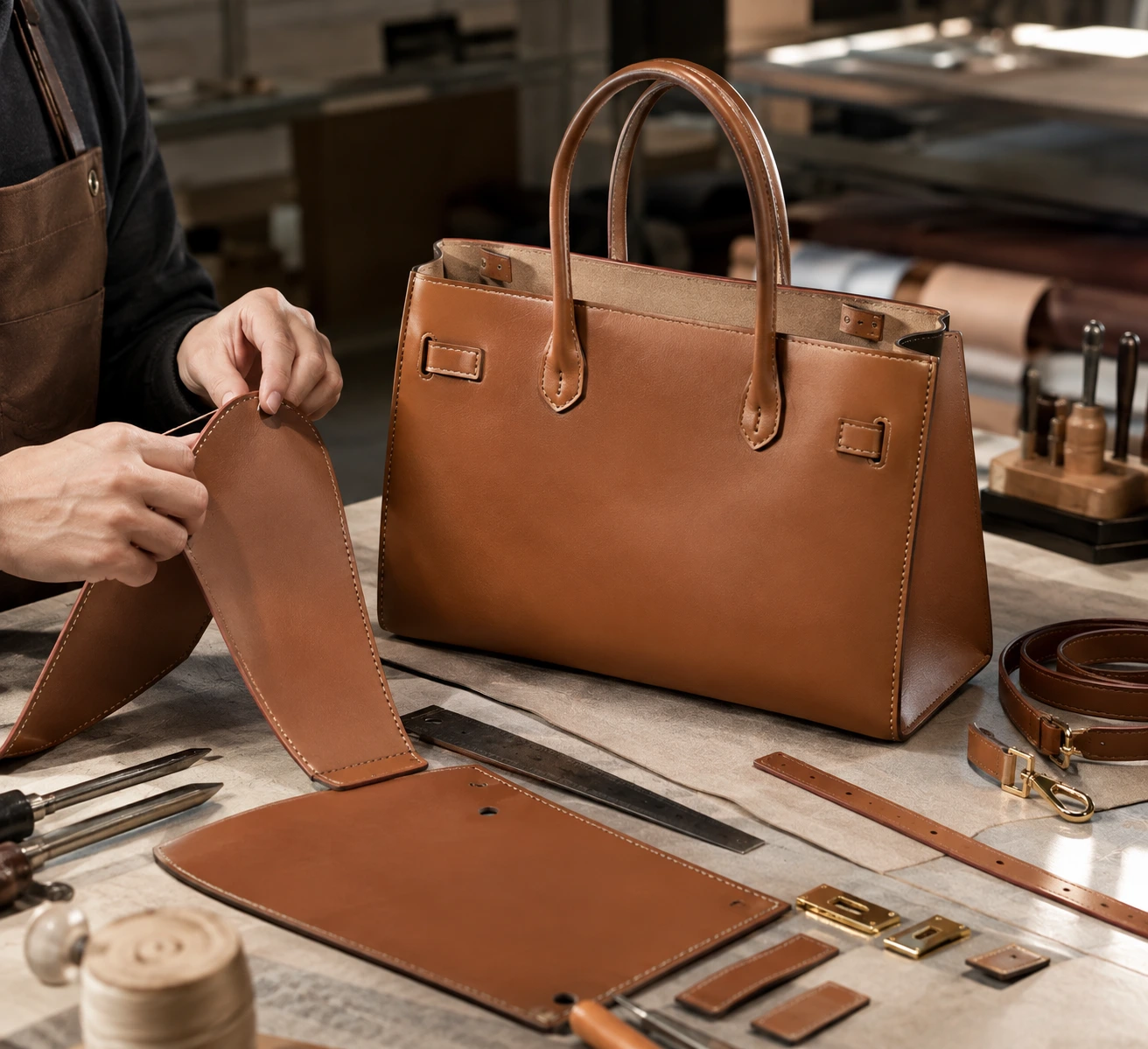
Which to choose? Faux leather vs Real leather
Faux leather is an ideal choice for those seeking an affordable, low-maintenance, and animal-free alternative to genuine leather. It is especially suited for everyday use and trend-focused buyers, though it may not offer the same longevity or natural aging characteristics as real leather.
| Leather type | Quality | Common use | Features |
| Full Grain Leather | Very High | Luxury handbags, wallets, premium shoes, investment-grade products | Most natural form, no sanding or buffing, strong texture, develops rich patina over time, extremely durable |
| Top Grain Leather | High | Handbags, business bags, everyday premium accessories | Smoothed and corrected surface, more uniform appearance, softer than full grain |
| Genuine Leather | Medium to Low | Budget handbags, affordable accessories | Made from lower layers of the hide, processed surface, misleading name, medium quality |
| Split Leather | Medium | Economic bags, linings, inexpensive products | Derived from the lower layers of the hide, weaker fiber structure, often coated |
| Bonded Leather | Medium | Economy bags, linings, inexpensive products | Made from shredded leather fibers and adhesives, mostly synthetic composition |
| Suede Leather | Medium | Luxury handbags, high-end shoes, premium casual use | Soft, fuzzy texture from inner hide layer, stylish and delicate appearance |
| Nubuck Leather | High | Luxury handbags, high-end shoes, premium casual use | Sanded outer layer, soft yet more durable than suede, premium feel |
| Patent Leather | Medium to High | Formal shoes, evening bags, luxury accessories | High-gloss, mirror-like finish, coated surface, formal and eye-catching |
| Cow Leather | High | Everyday bags, wallets, travel accessories | Strong, durable, versatile balance of quality and flexibility |
| Sheep Leather | Medium | Elegant handbags, gloves, fashion items | Soft, lightweight, smooth texture, less durable |
| Goat Leather | High | Premium handbags, daily-use accessories | Flexible, durable, lightweight, more resistant than sheep leather |
| Exotic Leather | Very High | Luxury designer products, exclusive handbags | From reptiles like crocodile, snake, etc., highly luxurious and rare |
| Faux Leather | Variable | Everyday bags, budget fashion accessories | Synthetic, animal-free, affordable, widely used alternative |
How to tell if leather is real:
examine the texture— as we discussed before, authentic leathers show a great deal of natural imperfections so if its texture is uneven, embossed and imperfect that’s your sign to buy natural leather, but if you want a perfect look, faux is your go-to.
Feel the surface— natural leather has a warm and softer surface often shows wrinkles when flexing, but faux leather is cooler and creases more sharply.
Smell the material— real leather often emits a natural heavy scent which is one of the easiest ways to distinguish them.
How to Choose Between Different Types of Leather:
It’s simple. We suggest you take a look at our “3 considerations” when buying leather.
Consider your intentions and why you want to use leather. Consider your budget, and lastly, consider your taste in fashion. Understanding these three factors will help you make a more informed and confident decision. Different types of leather offer different levels of durability, texture, and style, so knowing what matters most to you will narrow down your options quickly. Whether you are looking for a long-lasting investment piece or a more affordable everyday accessory, choosing the right leather ensures better satisfaction and long-term value.
If you are looking for high maintenance, durable heavy material for a coat with a natural nubuck look should check out real leather, but if you want a simpler and easier option for everyday use such as a bag then consider faux leather.
What type of leather is best for a wallet and bag?
There is no single “perfect” option, each type of leather offers different advantages, and the key is to select the one that best matches your personal needs.
Some prefer high durability, to those we say full grain leather is considered to be the best material for wallets, top grain is less heavy and high quality for those wanting an unbreakable work, office and travel bag.
We at David Jones UAE believe that daily products like wallets and handbags require durability and a perfect uniform texture to show beauty and quality with the least harm.
Is faux leather durable? Yes, when it comes to quality faux leather combines durability with a light weight material. Even though it lasts less than real leather, other features from this material such as being water resistant and cheaper makes it a fine material for daily long-term use.
Is faux leather worth it? Its easy care and unique sleek look make faux leather worth your attention.
What is the difference between faux leather and real leather? real leather is made from animal hides, Faux leather is an alternative to real leather, made from artificial material for a more budget friendly purchase.
Conclusion:
Each leather product is an art and unique in its own way, so there is no ultimate formula suggesting one type of leather being the best type. The key to understanding leathers and finding what suits you the best is finding balance between your needs and your likings. Whether you prioritize luxury, functionality, or sustainability, understanding these differences will help you select a wallet or bag that truly matches your expectations and daily use.
FAQ
Yes, when it comes to quality faux leather combines durability with a light weight material. Even though it lasts less than real leather, other features from this material such as being water resistant and cheaper makes it a fine material for daily long-term use.
Its easy care and unique sleek look make faux leather worth your attention.
real leather is made from animal hides, Faux leather is an alternative to real leather, made from artificial material for a more budget friendly purchase.