
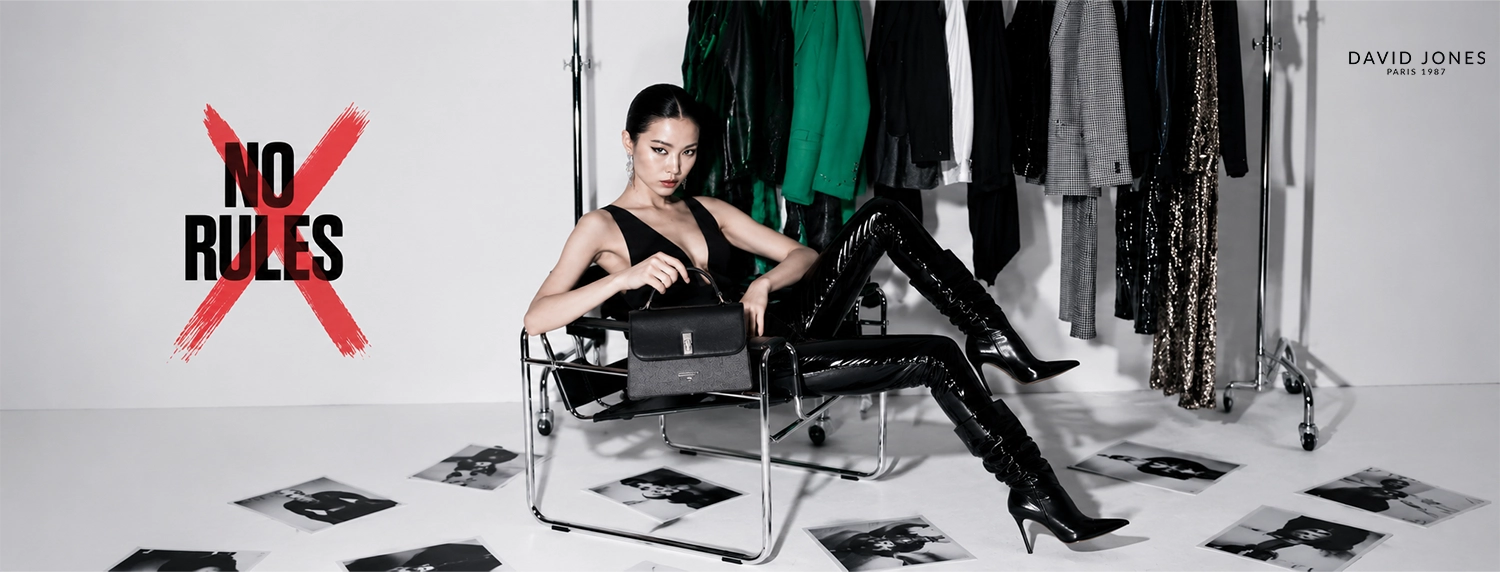
5 Fashion Rules That Stylists Secretly Break
Fashion is full of rules and guidelines passed down for decades about color matching, pattern mixing, and dressing for your age. But professional stylists know these rules are really just starting points, not laws. The best-dressed people know when to follow them and when to break them with confidence.
Here are five classic fashion rules stylists bend all the time and how you can too. Ready to put them into practice? Start with all bags and see which style fits your look.
Shoes, Bags, and Belts Don’t Have to Match
F1. Shoes, Bags, and Belts Don’t Have to Match
The Old Rule
For years, conventional styling suggested that your shoes, bag, and belt should match exactly, often in the same color and material.
Why It Is Outdated
Modern styling focuses more on creating harmony than achieving a perfectly coordinated look. Accessories can complement one another through color, texture, proportion, or overall mood without being identical.
For example, a tan handbag can look sophisticated with black loafers, while a cream belt can soften an outfit styled with chocolate-brown boots. These subtle contrasts often feel more intentional and contemporary than a perfectly matched set.
How to Break It
Instead of matching every accessory, choose pieces that share a visual connection. You might repeat a color from your outfit in your bag, contrast a neutral shoe with a brighter handbag, or combine different textures while keeping the overall palette balanced.
A Practical Outfit Example
Try tailored black trousers with a white blouse, black loafers, a tan handbag, and a slim cream or beige belt. The accessories don’t match exactly, but their neutral tones create a polished and balanced outfit.
2. Patterns Shouldn’t Be Mixed
The Old Rule
The traditional advice was to stick to one print per outfit to avoid looking too busy.
Why It Is Outdated
Pattern mixing can make an outfit feel more dynamic, expressive, and personal. The key is not avoiding prints; it’s balancing them.
Patterns work particularly well together when they share a color palette, similar visual intensity, or complementary scale. A bold pattern paired with a smaller, more subtle print can create contrast without overwhelming the outfit.
How to Break It
Start with two patterns that have at least one color in common. You can also balance a larger print with a smaller one or combine a bold pattern with a more understated design.
If you’re interested in creating polished outfits with a simple aesthetic, our guide to [Minimalist Fashion] offers more inspiration for balancing statement pieces with wardrobe essentials.
A Practical Outfit Example
Pair a navy-and-white striped top with a floral skirt that incorporates the same navy and white tones. Add neutral shoes and a simple handbag to keep the overall look balanced.

3. Gold and Silver Shouldn’t Be Worn Together
The Old Rule
Traditional accessory rules often suggested choosing either gold or silver and keeping all your jewelry within the same metal family.
Why It Is Outdated
Mixing metals creates contrast and adds dimension to an outfit. Gold can bring warmth, while silver introduces a cooler, cleaner finish. Together, they can make even a simple outfit feel more considered and contemporary.
The combination can work for casual outfits, professional looks, and even formal occasions when the pieces are selected thoughtfully.
How to Break It
Start small by combining a delicate gold necklace with a silver bracelet or wearing rings in both finishes. Repeating the mixed-metal combination across two or three accessories can make the look feel intentional rather than accidental.
A Practical Outfit Example
Wear a simple black blouse with tailored trousers, delicate gold and silver jewelry, and a structured handbag. The neutral outfit gives the mixed metals room to stand out without competing with the rest of your look.
4. Dressing for Your Age Means Following Strict Fashion Rules
The Old Rule
Traditional fashion advice often divided clothing into categories based on age, suggesting that certain styles were suitable for teens, twenties, or more mature adults.
Why It Is Outdated
Personal style cannot be defined by a number. What looks appropriate depends much more on your lifestyle, personality, comfort, body proportions, and the occasion than on your age.
A minimalist outfit, a vintage-inspired piece, an old-money aesthetic, or a smart-casual look can work across different generations when styled thoughtfully. Likewise, experimenting with color, silhouettes, and accessories isn’t limited to any particular stage of life.
The goal isn’t to ignore appropriateness altogether. It’s to redefine it around what makes sense for you.
How to Break It
Choose clothes that reflect your personality and lifestyle while considering comfort, fit, quality, and the setting. Instead of asking whether an item is “too young” or “too mature,” ask whether it fits well, feels comfortable, suits the occasion, and works with the rest of your wardrobe.
A Practical Outfit Example
A structured blazer, straight-leg trousers, a simple top, and a crossbody bag can be adapted to different personal styles and age groups. Change the colors, accessories, shoes, or proportions to make the outfit feel authentically yours.
For more inspiration on turning everyday pieces into polished looks, read our guide to [Smart Outfit Styling Ideas].
5. You Should Stick to a Limited Color Palette
The Old Rule
Neutral colors are often considered the safest choice, while bold or unexpected colors are treated as difficult to style.
Why It Is Outdated
Color is one of the easiest ways to express personality. While a neutral wardrobe can be elegant and versatile, there’s no reason to avoid brighter shades simply because they feel unfamiliar.
You also don’t need to change your entire wardrobe to introduce more color. Accessories can provide an easy starting point and allow you to experiment without committing to a completely different aesthetic.
How to Break It
Begin with one unexpected shade. Try a colorful handbag, a pastel accessory, or a bold pair of shoes with an otherwise neutral outfit. You can also use your skin’s undertone as a guide when choosing colors that complement your natural features.
If you’re styling an all-black outfit, for example, a contrasting handbag can add personality without taking away from the simplicity of the look. For more inspiration, explore our guide on How to Style Black Bags.
A Practical Outfit Example
Pair a neutral beige or cream outfit with a rich burgundy, deep green, or soft pastel handbag. Keep the rest of your accessories understated so the color becomes the intentional focal point of the look.
Quick Style Tips to Try This Week
- Choose a bag that contrasts with your shoes.
- Try one unexpected color combination.
- Pair an oversized piece with something fitted.
- Carry a statement handbag with a casual outfit.
- Experiment with a two-pattern combination that shares a common color.
When You Shouldn’t Break the Rules
Knowing when not to break a fashion rule is just as important as knowing when to experiment. Personal style should allow room for creativity, but the occasion, environment, and practical considerations still matter.
For professional settings, always consider your workplace dress code. Some offices require conservative or business-formal clothing, while others allow more creative styling. In formal events such as weddings, business functions, or ceremonies, following the requested dress code helps ensure that your outfit is appropriate for the occasion.
Cultural expectations are also important, particularly when dressing in Dubai and across the GCC. Modesty, venue-specific guidelines, religious or cultural considerations, and the nature of an event can all influence what is appropriate to wear.
Comfort and functionality should also remain part of the equation. An outfit may look fashionable, but if it restricts movement, feels uncomfortable, or isn’t practical for the setting, it may not be the right choice.
The goal isn’t to follow every traditional rule or break every rule. It’s to understand the principles behind good styling and know when a creative choice enhances your outfit and when a more classic approach makes sense.
Final Thoughts
Fashion rules are useful as starting points, but they shouldn’t limit your personal style. Experiment with color, patterns, accessories, and proportions while keeping fit, comfort, quality, and occasion in mind.
Sometimes the smallest styling change, such as choosing a contrasting handbag or mixing two unexpected colors, can completely transform an outfit.
FAQ
Some are. While practical guidelines like dressing appropriately for the occasion and wearing well-fitting clothes remain timeless, many traditional fashion rules have become outdated.
No. Perfectly matching every element of an outfit can sometimes make it look overly coordinated. Modern styling often embraces contrast through different colors, textures, and silhouettes while maintaining a cohesive overall appearance.
Absolutely. Mixing metals is a popular styling technique that adds dimension to an outfit. The easiest way to make it look intentional is to wear pieces with similar design styles or include a mixed-metal accessory that ties everything together.