Some days are simple. You leave home, go to work, come back, and that is it.
Other days seem to have no clear ending. You start with coffee and a commute, spend several hours at work, stop for lunch, run an errand, meet a friend, go to the gym, or head somewhere else before finally going home.
Those are the days when your bag can suddenly feel like your entire life.
If you are searching for David Jones Bags Original, start by considering which size, compartments and carrying style will suit your routine. Choosing a bag around your everyday essentials makes it easier to keep everything organised without carrying unnecessary weight.
There is no universal list of things every woman needs to carry. The right everyday essentials depend on your routine, where you are going and how long you will be away.
Everyday Bag Essentials Every Woman Should Carry
Before adding anything to your bag, separate your essentials from things that are only occasionally useful. The goal is not to prepare for every possible situation. It is to carry the things you are genuinely likely to need.
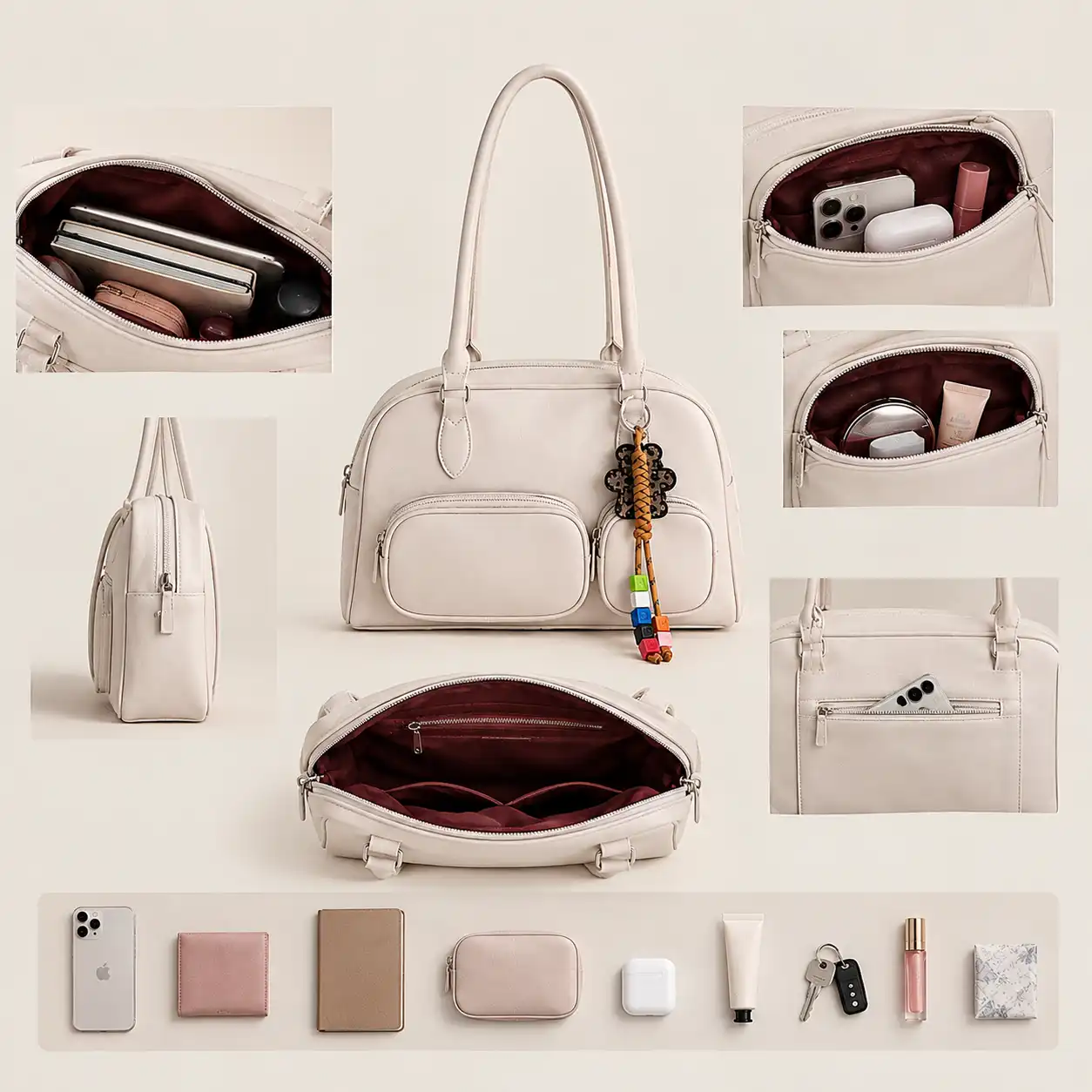
Phone
Your phone is one of the few items that belongs in almost every everyday bag. Keep it somewhere easy to reach rather than buried underneath larger belongings.
Wallet or Cardholder
A compact wallet or cardholder is often enough for everyday use. Carry the cards you actually use, your identification and a small amount of cash instead of taking your entire wallet everywhere.
Keys and ID
Keep your keys and identification in a consistent place. This makes them easier to find and reduces the chance of leaving them behind when you switch bags.
Sunglasses
Sunglasses are particularly useful in the UAE, where bright sunlight can be part of everyday life. A protective case can also prevent them from getting scratched inside your bag.
Sunscreen
If you will be spending time outdoors, sunscreen is worth carrying, particularly when moving between different parts of the city during the day. A compact size is usually enough for an everyday bag.
Water Bottle
A reusable water bottle can be useful when you are out for several hours. Choose a size that fits comfortably inside your bag rather than carrying more water than you are realistically going to use.
Tissues and Hand Sanitiser
These take up very little space and can be useful throughout the day. Keep them somewhere accessible so you do not have to empty your bag to find them.
Lip Balm or Lip Product
A lip balm or your preferred lip product can be enough for a quick refresh. There is rarely a need to carry an entire makeup collection unless your plans specifically require it.
Personal-Care Pouch
A small pouch can keep personal-care items together and stop smaller products from disappearing into the bottom of your bag. What goes inside should depend on your own routine.
Charger or Power Bank
You do not necessarily need both every day. If your phone can easily last until you get home, leave the power bank behind. For longer days or heavy phone use, a compact charger or power bank can be worth carrying.
Earphones
Earphones are useful for commuting, walking or taking a break during a busy day. Keep them in a small case or dedicated pocket to prevent the cable or case from becoming tangled with other belongings.
A Light Layer
A lightweight cardigan, scarf or other easy-to-carry layer can be useful in the UAE because you may move from hot outdoor conditions into strongly air-conditioned offices, malls or restaurants.
What to Carry in Your Bag for a Full Day Out
Your everyday essentials are only the starting point. On a full day out, the contents of your bag should change according to what you are actually doing.
Work and Office Days
If you are going to work, consider whether you need a laptop, charger, notebook or other work equipment. Do not automatically carry them every day if you will not use them.
If a laptop is part of your routine, a proper work bag or backpacks for office can offer better protection and organization than simply placing it inside a large handbag.
Work-to-Dinner Plans
A day that continues into the evening requires a little more planning. Instead of carrying a completely separate evening bag, choose a versatile everyday bag and add only the items you will actually need later.
This might mean a lip product, a small personal-care item or another lightweight accessory rather than an entire second set of belongings.
Gym Days
If you are going directly from work or another activity to the gym, your bag may need to accommodate sportswear, shoes, a towel and other gym essentials.
This is one situation where a separate gym or duffle bag can be more practical than trying to fit everything into a small everyday bag.
Shopping and Errands
For shopping, commuting and running errands, keeping your bag relatively light becomes more important. You will already be carrying purchases or moving between different places, so unnecessary weight can quickly become uncomfortable.
A crossbody can be useful when you need your hands free, while a larger bag may make sense if you know you will need additional space.
Long Days Outdoors
If you expect to spend several hours outdoors, prioritize the things that will actually make the day easier: water, sunglasses, sunscreen, tissues and a light layer for later indoor spaces.
You do not need to pack for every possible change in weather or activity. Think about the transitions you already know are part of your day.
Bag Essentials for Women in the UAE
The UAE creates a particular everyday-bag challenge: you can move from intense outdoor heat into a heavily air-conditioned building within minutes.
That makes hydration, sun protection and a lightweight extra layer especially useful. Sunglasses and sunscreen can help during outdoor transitions, while a light cardigan or scarf can be useful when you spend extended periods inside offices, malls or restaurants.
The key is to choose compact items that solve common problems rather than filling your bag with things you might possibly need.
How to Organize Your Everyday Bag
A well-organized bag does not necessarily require more compartments. It requires a consistent system.
Give Important Items a Permanent Place
Your phone, wallet and keys should each have a regular place. Once you stop moving them randomly between pockets, finding them becomes much faster.
The same principle applies when you change bags. Move the essentials from one bag to another instead of emptying everything and starting again.
Use Small Pouches
Small pouches are particularly useful for personal-care products, chargers and other small items.
Instead of allowing several loose objects to collect at the bottom of your bag, group similar items together. This also makes it easier to remove one category without disturbing everything else.
Keep Frequently Used Items Easy to Reach
Items you use throughout the day should not sit underneath your water bottle, notebook or other heavy belongings.
Keep your phone, wallet, keys, tissues and other frequently used essentials in an accessible pocket or near the top of the bag.
Position Heavier Items Properly
If you carry a laptop or another heavy object, use the compartment designed to support it.
In a backpack, heavier items are generally more comfortable when positioned close to your back. With a shoulder or crossbody bag, avoid concentrating unnecessary weight on one side.
How you pack matters almost as much as what you pack.
If you’re looking for different options in one place, explore the David Jones Bag for Women collection to find a style that fits your routine.
What Not to Carry in Your Everyday Bag
A bigger bag can create the temptation to carry everything.
You probably do not need three pairs of sunglasses, several charging cables, a full makeup collection, multiple notebooks, every loyalty card you own or a collection of “just in case” items.
Empty your bag regularly and look at what you have not used recently. If something has been sitting at the bottom of your bag for weeks or months, ask yourself whether it genuinely belongs in your daily routine.
A useful rule is simple: if you would not realistically use it during the day, it probably does not need to come with you.
How to Make Your Handbag Lighter
The easiest way to make a handbag lighter is not to buy a bigger one. It is to remove what you do not need.
Start by emptying the entire bag. Group the contents into essentials, useful extras and unnecessary items.
Remove duplicate products, old receipts, unused cards, excess cosmetics and anything you have been carrying purely out of habit.
Then reconsider the products themselves. A compact wallet can replace a large one. A small personal-care pouch can replace several loose items. A lightweight power bank may be enough instead of carrying multiple charging accessories.
Finally, check the bag itself. A heavy bag with little inside weight can still become uncomfortable after several hours.
How to Choose the Right Everyday Bag for Your Essentials
The right everyday bag should accommodate your routine without encouraging you to carry more than you need.
Choose the Right Bag Size
Start with what you actually carry.
If your essentials are limited to your phone, wallet, keys and a few personal items, you probably do not need a large bag. If you regularly carry a laptop, water bottle and work equipment, you will need more capacity.
Avoid choosing a bag simply because it has more room. Extra space often becomes extra weight.
Look for Useful Compartments
Compartments can make a noticeable difference to how practical a bag feels.
A dedicated laptop section, interior pocket or secure space for smaller belongings can be more useful than simply having a large open compartment.
Consider Weight and Comfort
Think about how long you will carry the bag.
A bag that feels comfortable for ten minutes may feel very different after several hours. Pay attention to the weight of the empty bag, the handle length and, where relevant, the shoulder strap.
Think About Versatility
If you move between different parts of your day, choose a bag that can adapt.
A design that works with work clothes, casual outfits and evening plans can be more useful than owning several bags that each serve only one purpose.
Which Type of Everyday Bag Fits Your Routine?
Different bags solve different everyday problems. The best option depends on what you need to carry and how you move through your day.
Crossbody Bag for Light Essentials
A crossbody bag is useful when you mainly carry your phone, wallet, keys, sunglasses and a few personal essentials.
Its hands-free design makes it particularly practical for walking, shopping, commuting and casual days.
Shoulder Bag for Everyday Use
A shoulder bag can offer more capacity while remaining easy to carry and simple to style with everyday outfits.
It can be a good middle ground when a crossbody feels too small but a office bag or backpack would be more than you need.
Tote or Work Bag for Office Essentials
A tote or work bag makes sense when your daily routine includes a laptop, notebook, charger and other office essentials.
If you regularly carry a laptop, look for a bag with suitable protection and organization rather than choosing based on size alone.
Backpack for Heavier Days
A backpack can be useful when you need to carry heavier belongings for longer periods.
Because the weight is distributed across both shoulders, it can be more practical for commuting, walking or days when you carry a laptop, water bottle and other equipment.
Duffle Bag for Gym or Overnight Plans
A duffle is useful when your day includes more than a normal everyday bag can comfortably handle.
It can accommodate gym clothes and shoes, an overnight change of clothes or other bulky belongings without forcing everything into a smaller handbag.
The important distinction is that a duffle should solve a genuine capacity problem rather than become an excuse to carry unnecessary things.
Quick Everyday Bag Essentials Checklist
Before leaving home, ask yourself:
- Do I have my phone?
- Do I have my wallet or cardholder?
- Do I have my keys and ID?
- Do I need sunglasses and sunscreen today?
- Will I need water?
- Do I need tissues or hand sanitiser?
- Do I need a lip product or personal-care items?
- Will I need a charger or power bank?
- Do I need earphones?
- Will I need a light layer?
- Am I carrying anything I probably will not use?
A good everyday bag should make your day easier, not become a storage space for everything you own.
Final Thoughts
Your everyday bag does not need to contain everything you might possibly need.
The most useful approach is to start with your actual day, identify what you genuinely need and choose a bag that supports those activities. Keep your essentials organized, remove things you do not use and adjust your bag when your routine changes.
The goal is simple: carry the right things, in the right amount, in a bag that makes your day easier.
If you’re building a versatile collection rather than looking for just one everyday option, see our guide to the bags every woman should have.
The basics usually include your phone, keys, wallet or card holder and any personal essentials you need throughout the day. Depending on your schedule, you may also need sunglasses, sunscreen, a water bottle, charger or a few personal-care items.
It depends on what you are carrying. A crossbody works well for lighter days when you want to stay hands-free, while a backpack or work bag is more practical when you need to carry heavier items such as a laptop. A duffle is better when your day includes clothes, shoes or additional equipment.
Give frequently used items a permanent place and use a small pouch for loose items such as cables, makeup or personal-care products. This makes it easier to find things without emptying your entire bag.
Remove items you have not used recently, avoid carrying duplicate products and only pack for the plans you actually have that day. If the bag is still heavy, consider whether a smaller or more lightweight design would suit your routine better.
-
 229.00 AEDColor#0f0f0fBlackCoconut Cream#c3c1b9Moonstruck#b7a78fOxford Tan#e0c7d7Snow Lilac
-
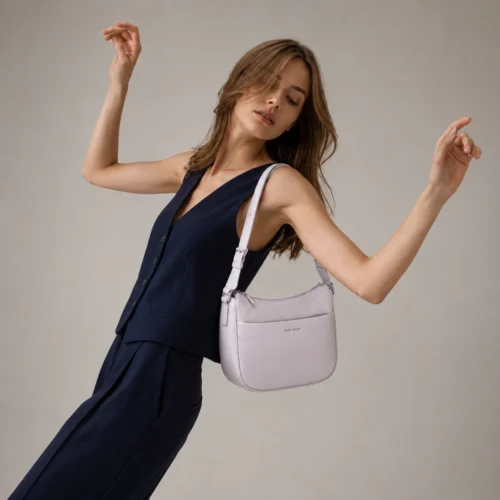 187.00 AEDColor#0f0f0fBlackCoconut Cream#c3c1b9Moonstruck#e0c7d7Snow Lilac
-
-
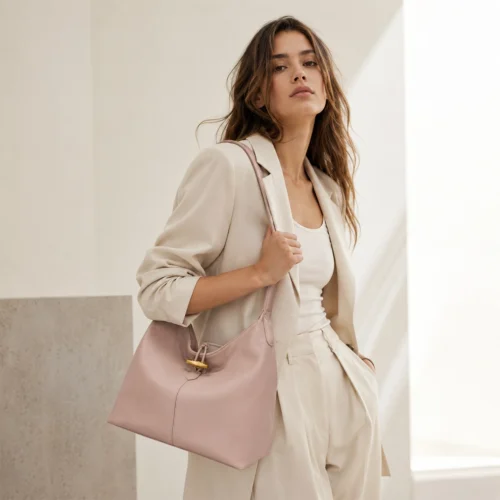 202.00 AEDColor#ba9f99Adobe Rose#4b596eBering sea#0f0f0fBlack#ddd0c9Warm Taupe#582b36Windsor Wine