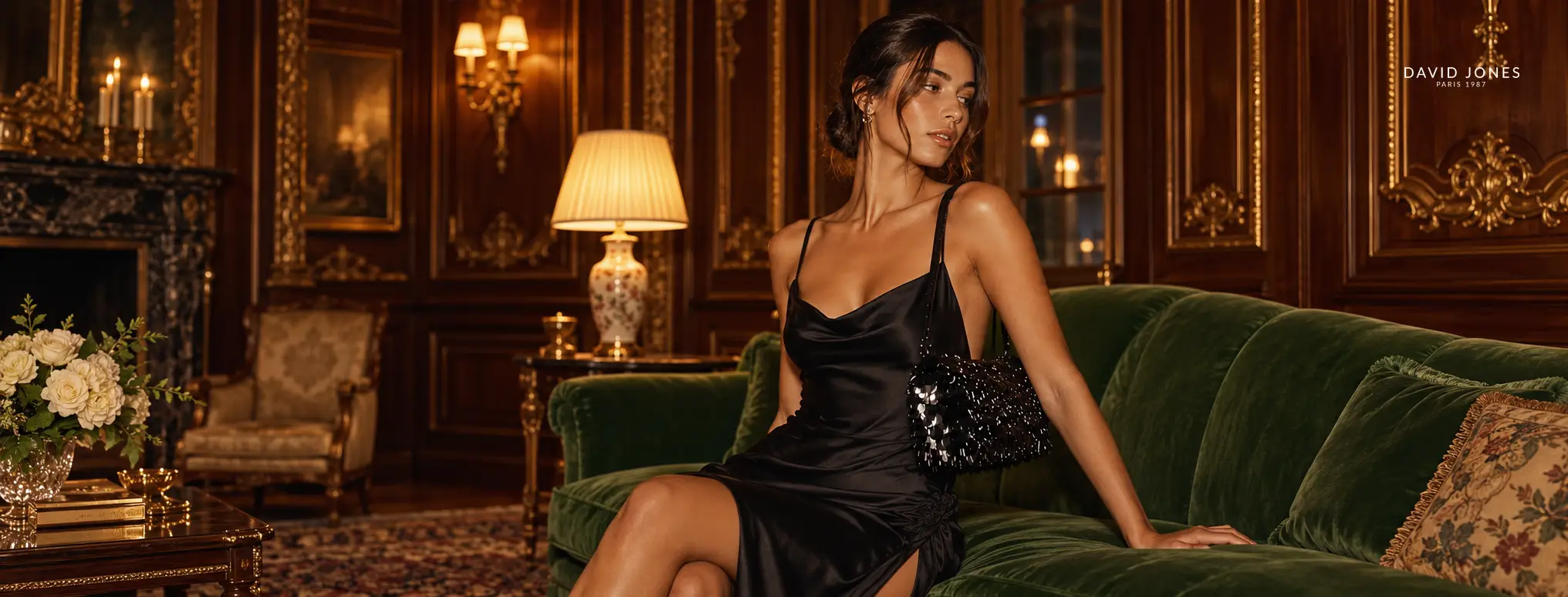
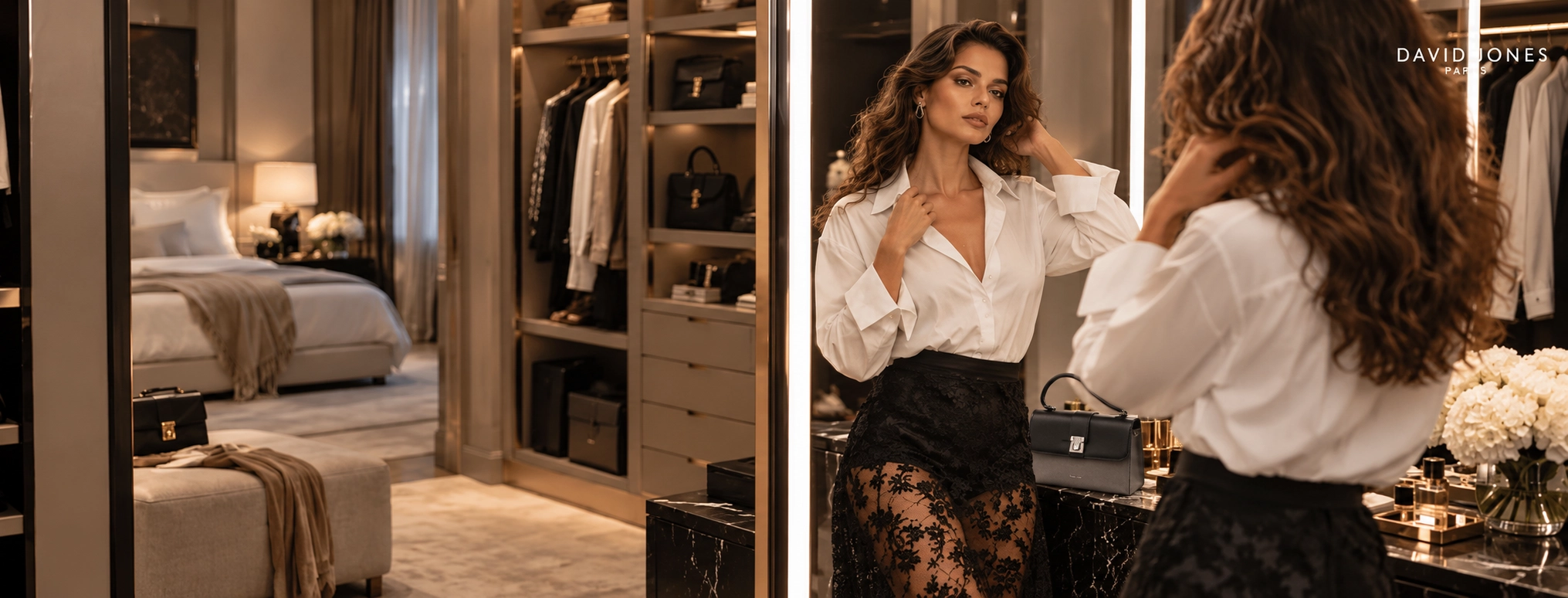
You open your wardrobe in the morning and see plenty of clothes, yet somehow you still think: “I have nothing to wear.”
The problem is not always that you need more clothes. Sometimes, you keep repeating the same combinations, save certain pieces for special occasions, or overlook items that could work in different ways. Your wardrobe may also feel limited because some clothes no longer fit your lifestyle, the season, or your current preferences.
Before going shopping, try looking at what you already own from a different perspective. With a few practical styling techniques, you can create fresh combinations, make better use of forgotten pieces, and discover outfits for different occasions without buying a whole new wardrobe.
Why Do You Feel Like You Have Nothing to Wear?
Before refreshing your wardrobe, it helps to understand what is making it feel limited. Repeating the same outfits is one possible reason, but it is not the only one.
You Keep Repeating the Same Outfit Formulas
Most of us have a personal uniform, even if we do not consciously call it one.
Maybe you always wear jeans with a T-shirt and sneakers. Perhaps your work outfit is usually trousers, a blouse, and a structured bag. You might also have a favourite combination that you reach for whenever you are short on time.
There is nothing wrong with having reliable outfits. The problem begins when you use the same combinations every time and stop considering other ways to wear those pieces.
Your wardrobe may not be boring. You may simply be relying on a small number of familiar outfit formulas.
You Save Clothes for Specific Occasions
You may also mentally assign certain clothes to particular situations.
A blazer becomes office wear. A satin skirt is reserved for evenings. A dress is kept for weddings or special events, while a button-down shirt is only worn to work.
Once you give a piece a specific purpose, you may stop considering how it could fit into your everyday outfits. This can make your wardrobe feel smaller than it really is.
Your Wardrobe No Longer Matches Your Daily Life
Your routine, preferences, and needs can change over time. You might need more comfortable outfits for everyday activities, more polished options for work, or lighter clothes for warmer weather.
If most of your wardrobe is designed for occasions you rarely attend, it is understandable that getting dressed feels difficult.
You May Be Missing a Few Useful Basics
Sometimes the problem is not a lack of clothes but a lack of pieces that connect them. You might own several statement tops but have very few simple bottoms, or have plenty of dresses but not enough lightweight layers to wear over them.
Identifying what is missing can help you make better use of your existing wardrobe before deciding whether you need to buy anything.
12 Ways to Create New Outfits With Clothes You Already Own
Start With the Clothes You Already Wear
If you want to create new outfits, do not wait until a busy morning and hope inspiration appears. Choose a time when you can experiment without rushing.
Start with around 10 to 15 pieces you genuinely enjoy wearing. Pick a few tops, two or three bottoms, a dress or skirt, one or two layers, shoes, and some accessories.
Instead of seeing each item as part of one finished outfit, think of it as a building block.
A white shirt, for example, can be buttoned and tucked into trousers, worn open over a tank top, or layered under a sleeveless dress. A midi skirt can work with a fitted top for a polished outfit or a relaxed T-shirt for a more casual look.
Ask yourself how many different combinations you can create using these pieces. You may discover that several items in your wardrobe have more potential than you first thought.
Refresh an Outfit by Changing Just One Thing
You do not always need to rebuild an outfit from scratch. Changing one element can be enough to give a familiar combination a different feel.
Imagine you usually wear a midi skirt with a simple top and flat shoes. Instead of changing everything, try one of these adjustments:
- Replace flat shoes with ankle boots.
- Add a lightweight scarf.
- Change a fitted top to a relaxed shirt.
- Add a belt to define the waist.
- Swap a casual bag for a more structured design.
The idea is to keep the pieces you already enjoy wearing and experiment with one detail at a time. This makes it easier to discover new combinations without feeling that you need a completely different wardrobe.
Layer Smarter With the Third-Piece Trick
Layering is a practical way to create more outfit combinations, especially when the weather or indoor temperature changes throughout the day. It does not always mean wearing several heavy pieces together.
For warmer climates such as Dubai, lightweight layers can be more useful than thick coats or sweaters. Try combinations such as:
- A linen shirt worn open over a cotton tank top.
- A lightweight cardigan over a sleeveless dress.
- A thin button-down shirt layered over a simple top.
- A lightweight jacket over a cotton dress.
- A fine-knit top worn over a longer shirt, allowing the hem to show.
You can also use the third-piece trick. A simple outfit such as a top and trousers can feel more complete when you add a vest, an open shirt, a lightweight jacket, or a scarf.
The extra layer creates another point of interest and gives you more ways to wear the same base outfit. Choose fabrics that feel comfortable for the temperature and are easy to remove when moving between outdoor heat and air-conditioned spaces.
Use Proportion to Make the Same Clothes Look Different
Sometimes you do not need a different item. You simply need to wear the same pieces differently.
Imagine wearing a loose blouse with wide-leg trousers. If both pieces are oversized and the blouse is left completely untucked, the outfit may feel less defined.
Try partially tucking the blouse, rolling up the sleeves, or adding a belt. You could also replace the wide-leg trousers with a straighter cut to create a different silhouette.
Here are a few combinations to experiment with:
- Oversized shirt + straight-leg trousers.
- Fitted top + wide-leg jeans.
- Cropped jacket + long skirt.
- Longline shirt + slim trousers.
- Relaxed dress + a defined waist belt.
There is no single correct formula. The aim is to find proportions that feel comfortable and create the silhouette you prefer.
Change the Mood With Shoes, Bags and Accessories
Accessories can change the overall character of an outfit without requiring you to replace the clothes.
For example, a simple dress can look relaxed with flat sandals and a casual crossbody bag. The same dress can feel more polished with pointed-toe shoes, delicate jewellery, and a structured handbag.
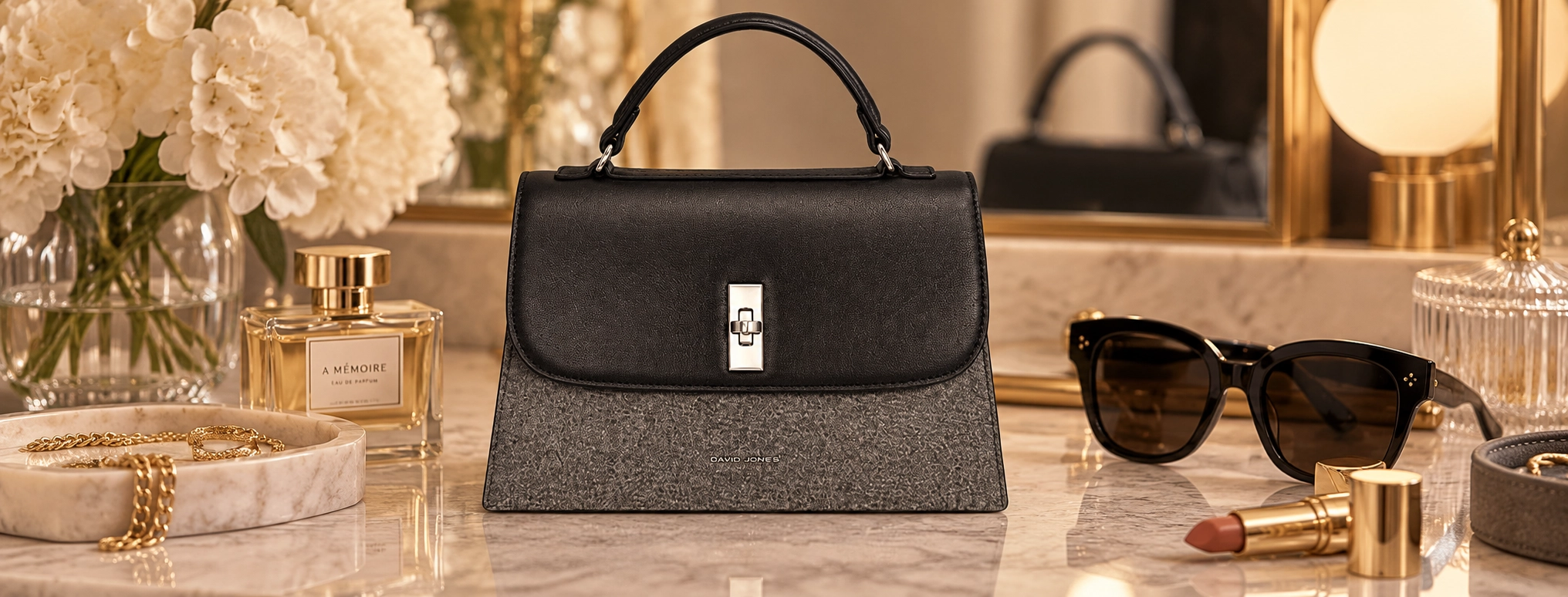
Your bag can be particularly useful when you want to change the look of familiar clothes. A casual crossbody bag, a structured shoulder bag for woman, or a spacious tote can each create a different impression. Explore different ladies cross body bag or shoulder bags for women to see how different shapes work with your existing outfits.
You can also experiment with scarves, belts, sunglasses, and jewelry. Try choosing one accessory as the focus of your outfit and keeping the other details simple.
Style One Piece Three Different Ways
One of the best ways to discover your wardrobe’s potential is to choose a specific item and create three complete outfits around it.
For this example, start with a classic white shirt. Rather than wearing it only with trousers, try styling it for three different situations.
| Occasion | Outfit combination |
|---|---|
| Everyday | White shirt worn open over a neutral tank top + straight-leg jeans + flat sandals + casual crossbody bag |
| Work | White shirt tucked into tailored trousers + slim belt + loafers + structured handbag |
| Evening | White shirt tucked into a satin midi skirt + heeled sandals + statement earrings + small clutch |
Each outfit uses the same shirt, but the other pieces change according to the occasion.
You can repeat this exercise with a pair of black trousers, a denim jacket, a simple dress, or a midi skirt. The goal is to find at least three realistic ways to wear one item you already own.
Mix Casual and Polished Pieces
Not every item in an outfit needs to have the same level of formality. Combining relaxed and polished pieces can make an outfit feel balanced and less predictable.
Try combinations such as:
- Tailored trousers + a basic cotton T-shirt + clean sneakers.
- A casual denim skirt + a fitted blouse + loafers.
- A simple day dress + a structured jacket + flat sandals.
- Straight-leg jeans + a fine-knit top + a tailored waistcoat.
You can also take something from your work wardrobe and combine it with casual pieces. A formal waistcoat, for example, can work with jeans and a simple top rather than being worn only as part of a matching suit.
For more inspiration, explore our guide to smart outfit styling ideas.
Refresh Familiar Outfits With Color
You do not need to master colour theory to use colour more creatively. Start with shades you already own and introduce one new combination at a time.
For example, if you usually wear black trousers with a white top, try adding a burgundy bag or shoes. If your wardrobe is mostly beige and cream, introduce a deeper shade such as chocolate brown, olive green, or navy.
You can also experiment with tonal dressing by combining different shades of the same colour. A light blue shirt with navy trousers and a medium-blue bag creates a coordinated outfit without using exactly matching shades.
Here are two simple combinations to try:
- Cream trousers + white top + burgundy handbag.
- Light blue shirt + navy trousers + darker blue accessories.
The goal is not to buy more colours simply for variety. It is to notice combinations that already exist in your wardrobe but that you rarely wear together.
For more ideas, read our guide, How to Mix and Match Colors in Your Outfit, which explores colour relationships, contrast, and tonal dressing.
Stop Saving Your Best Clothes for Special Occasions
Some of the most useful pieces in your wardrobe may be the ones you rarely wear because you are waiting for the right occasion.
That beautiful skirt does not necessarily need a dinner reservation. Your blazer does not have to wait for an important meeting, and a dress does not need to stay in your wardrobe until the next event.
Try giving these pieces a more everyday role:
- Wear a satin skirt with a simple cotton T-shirt and flat sandals.
- Pair a tailored blazer with jeans and a basic top.
- Style a dress with comfortable sneakers for a daytime outing.
- Wear a statement necklace with a simple everyday outfit.
You do not have to wait for a special event to enjoy the clothes you already own. By combining occasion pieces with everyday basics, you can make them more versatile and get more use out of them.
Build Outfit Formulas You Can Reuse
Having a few reliable outfit formulas can make getting dressed easier. The important thing is not to let one formula become the only way you wear a particular item.
Think of these combinations as starting points rather than strict rules:
- Wide-leg trousers + fitted top + lightweight layer.
- Jeans + relaxed shirt + loafers.
- Midi skirt + simple knit top + flat sandals.
- Shirt dress + belt + comfortable shoes.
- Tailored trousers + blouse + structured handbag.
Once you understand why a combination works, you can change the individual pieces according to the season, occasion, or your personal preferences.
Repeating a useful formula is not the same as repeating the exact same outfit. You can keep the silhouette you like while experimenting with different colours, textures, shoes, and accessories.
Revisit Your Least-Worn Clothes Before Buying Something New
Look at the clothes you rarely wear. Before deciding to replace them, try to understand why they stay in your wardrobe.
Ask yourself:
- Is the item difficult to combine with other pieces?
- Does the fit feel slightly wrong?
- Is it too formal for your everyday routine?
- Is the colour unfamiliar?
- Does it only seem to work with one particular item?
Some problems can be solved through styling. A bold top may work better with understated trousers, while a formal blazer may feel more relaxed with denim.
However, not every issue can be fixed by changing the outfit. If a garment is uncomfortable, damaged, or no longer fits properly, it may need alterations, repairs, or replacing. There is no need to keep wearing something that does not feel right.
If you discover a genuine gap in your wardrobe, be specific before shopping. Instead of saying, “I need new clothes,” try identifying exactly what would help: perhaps a lightweight layer that works with three existing outfits or a versatile pair of trousers for everyday wear.
If you need a new accessory to complete your existing combinations, you can browse David Jones handbags and consider which style would work with the pieces you already own.
Ideally, anything new you buy should create several outfit possibilities rather than becoming another isolated item.
Try a 10-Minute Wardrobe Reset
If your wardrobe feels uninspiring, try this quick exercise. You do not need to reorganise everything or pull out every item you own.
Set a timer for 10 minutes and choose:
- One item you rarely wear.
- Two other pieces that could work with it.
- One pair of shoes.
- One bag or accessory.
Now create three different outfits using these items. They do not have to be complicated; the aim is to find combinations you would genuinely wear.
Take a photo of each outfit and make a note of where you could wear it, such as work, a casual outing, or an evening event.
At the end of the exercise, you should have three new outfit ideas saved on your phone. You can repeat the process with another item whenever you need fresh inspiration.
Final Thoughts
Feeling like you have nothing to wear does not always mean you need more clothes. Sometimes, a different combination, a new way of layering, or a small change in proportion is enough to make familiar pieces feel fresh.
Before your next shopping trip, choose one item you rarely wear and challenge yourself to create three outfits around it. You may find that your wardrobe has more possibilities than you thought.
-
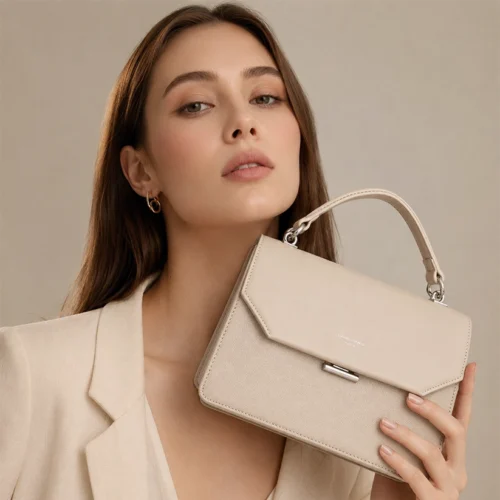 229.00 AEDColor#0f0f0fBlackCoconut Cream#c3c1b9Moonstruck#b7a78fOxford Tan#e0c7d7Snow Lilac
-
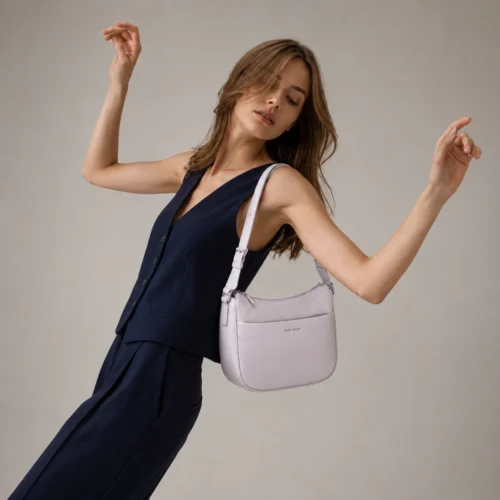 187.00 AEDColor#0f0f0fBlackCoconut Cream#c3c1b9Moonstruck#e0c7d7Snow Lilac
-
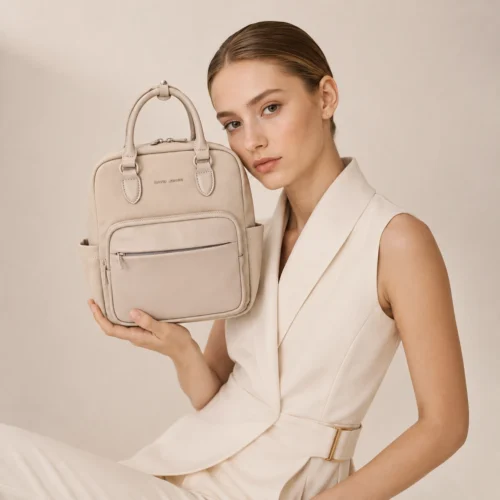
-
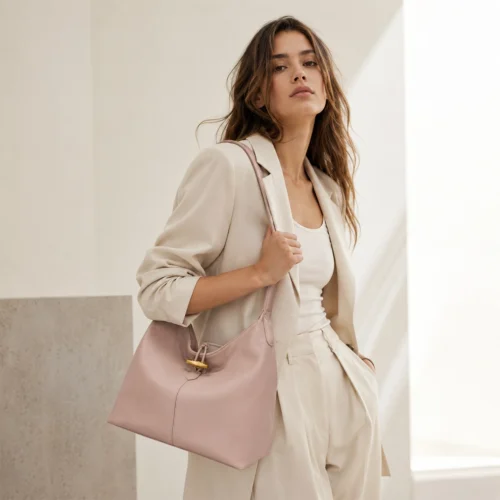 202.00 AEDColor#ba9f99Adobe Rose#4b596eBering sea#0f0f0fBlack#ddd0c9Warm Taupe#582b36Windsor Wine