
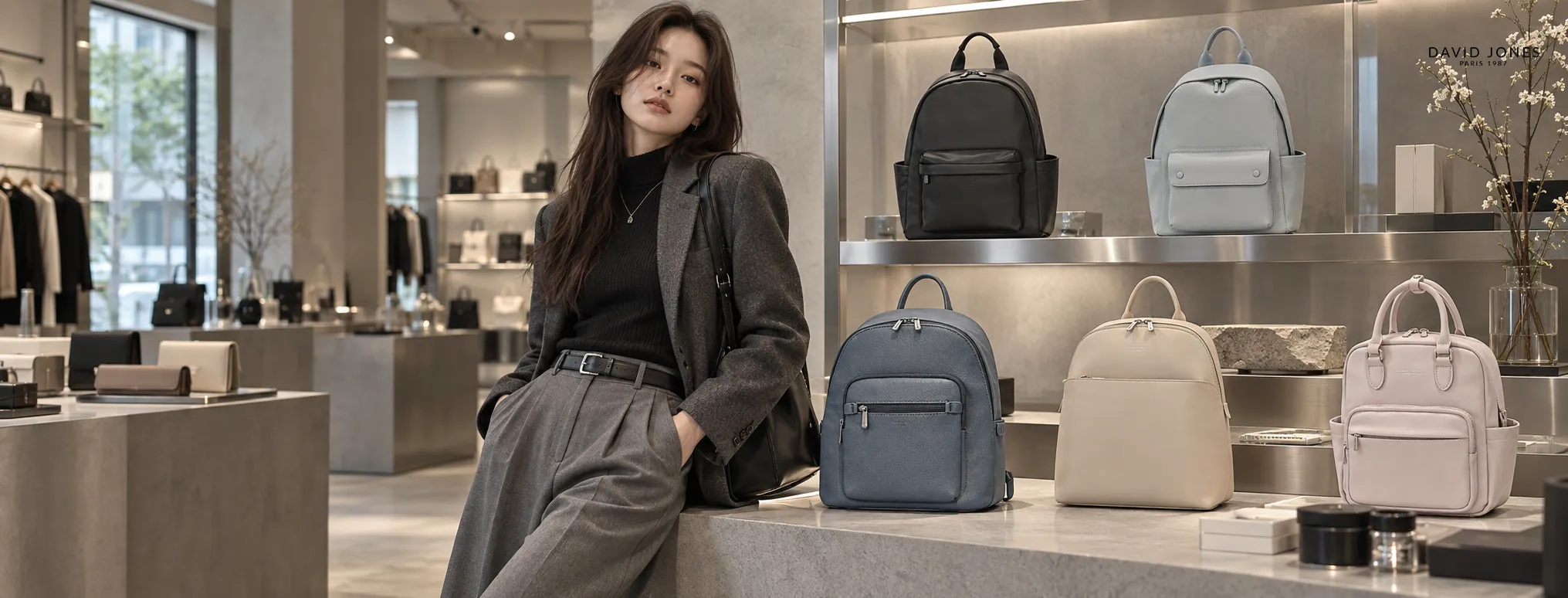
What Are the Different Types of Backpacks?
Backpacks are no longer just practical carryalls, they have become everyday accessories that combine comfort, organization, and style. From compact mini backpacks to spacious travel and hiking packs, there is a design for almost every routine.
Understanding the different types of backpacks can help you choose the right option for work, school, travel, outdoor activities, or everyday use.
Women’s bags come in various shapes and styles, their sizes vary from small and mini backpacks to large backpacks especially for athletes and camping so it is safe to say it is a must have. Understanding the different types of backpacks makes it easier to compare your options and choose one that offers the right combination of comfort, functionality, and style.
Different Types of Backpacks for women
Daypacks
Daypacks are lightweight, practical backpacks designed for everyday outings, short hikes, sightseeing, and casual use. They usually include multiple pockets and are often made from durable, lightweight, and sometimes water-resistant materials.
Styling tip: Pair a casual daypack with jeans, a T-shirt, and sneakers for an effortless look. For a more polished outfit, choose a structured daypack with tailored trousers and a simple shirt.
Types of backpacks for school
School backpacks are designed to carry books, stationery, technology, and everyday essentials comfortably. Look for multiple compartments, a padded laptop sleeve, durable materials, and adjustable straps.
Styling tip: Choose a versatile color such as black, navy, or beige and coordinate it with your shoes or another small accessory.
Laptop Backpacks
Among popular types of backpacks for college, a good laptop backpack is a must have. They should protect your device while keeping chargers, cables, and other essentials organized. Look for a padded laptop compartment, secure closures, durable materials, and comfortable adjustable straps.
Styling tip: A sleek laptop backpack works well with smart-casual outfits such as tailored trousers, a shirt, or jeans with a simple top.
Work and Commuter Backpacks
Work and commuter backpacks combine practical storage with a polished appearance. Structured designs are especially useful for carrying work essentials while keeping your outfit professional and put together.
Styling tip: Pair a sleek backpack with tailored trousers, a button-down shirt, and loafers. For a smart-casual look, try straight-leg jeans, a fitted top, and clean sneakers.
Travel Backpacks
Travel backpacks are designed for comfort, organization, and carrying more belongings over longer periods. They can work for day trips, weekend getaways, and international travel, depending on their size and features.
Useful features include spacious compartments, comfortable straps, durable materials, secure closures, and easy-access pockets.
Hiking and Backpacking Packs
Hiking and backpacking packs are built for longer outdoor activities and heavier loads. They typically include padded shoulder straps, supportive back panels, adjustable harness systems, and multiple compartments to help distribute weight and keep gear organized.
Styling tip: Pair them with practical outdoor clothing such as cargo trousers, fleece layers, and sturdy footwear.
Mini and Fashion Backpacks
Mini and fashion backpacks are compact, stylish options for carrying essentials such as a phone, wallet, keys, sunglasses, and makeup. They are a practical alternative when you want a hands-free bag without the bulk of a full-size backpack.
Styling tip: Their compact shape works especially well with streamlined outfits, dresses, skirts, and casual separates.
Sling and Drawstring Backpacks
Sling and drawstring backpacks are lightweight choices for short outings, sightseeing, shopping, the gym, or casual activities. They are best when you only need to carry a few essentials and want quick, easy access.
Styling tip: Drawstring bags pair naturally with hoodies, oversized T-shirts, shorts, denim, or activewear. Sling backpacks work especially well with casual and street-style outfits.
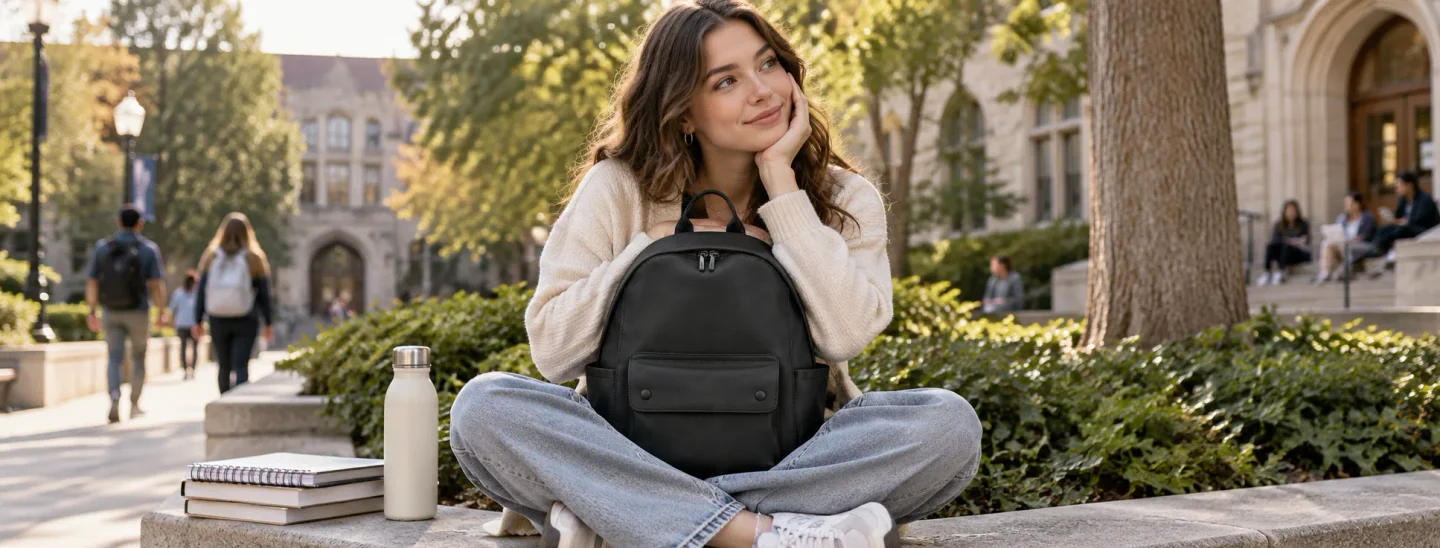
A Quick Comparison of Backpack Types
| Backpack type | Best for | Typical capacity | Main feature |
| Daypacks | Everyday use, hiking, nature outings, street style | Small to medium | Lightweight design, multiple pockets, and durable materials |
| School Backpacks | School, studying, books, and everyday essentials | Medium to large | Multiple compartments, padded laptop sleeve, and adjustable straps |
| Laptop Backpacks | Work, study, commuting, and carrying technology | Medium | Padded laptop compartment, secure closures, and comfortable straps |
| Work & Commuter Backpacks | Office, commuting, and professional use | Medium to large | Structured design, practical organization, and professional appearance |
| Travel Backpacks | Day trips, weekend getaways, and international travel | Medium to large | Spacious capacity, comfortable carrying system, organization, and durability |
| Hiking & Backpacking Packs | Hiking, camping, outdoor adventures, and longer trips | Large | Supportive back panel, padded straps, adjustable harness, and multiple compartments |
| Mini & Fashion Backpacks | Everyday outings and carrying small personal essentials | Small | Compact, lightweight design with a strong fashion focus |
| Sling & Drawstring Backpacks | Short outings, sightseeing, shopping, gym, and casual activities | Small | Lightweight, compact, hands-free design and easy access |
How to Choose the Right Backpack
1. Consider the Purpose
Start by thinking about where and how you will use the backpack. A compact daypack can be ideal for everyday outings, while a laptop backpack is better suited to work or study. Your routine will help determine the right size, compartments, and features. Considering your needs help you choose the right design when it comes to compartments and functions.
2. Choose the Right Capacity
Choose a size based on what you normally carry. Small backpacks are suitable for daily essentials, medium-sized backpacks can hold books or a laptop, and larger designs are better for travel, camping, and longer outdoor trips. Avoid choosing more capacity than you actually need, as it can lead to unnecessary weight. Make sure you pay attention to your body proportion and your torso length.
3. Prioritize Comfort and Straps
Comfort matters, especially if you carry your backpack for long periods. Look for adjustable, padded shoulder straps and a supportive back panel. Larger outdoor backpacks may also benefit from chest or waist straps for added stability and better weight distribution.
4. Match It With Your Style
Consider how the backpack fits into your wardrobe. A minimalist backpack in black, beige, brown, grey, or navy can work with a wide range of outfits and occasions. Structured designs can complement professional and smart-casual clothing, while softer or sporty backpacks work naturally with jeans, activewear, and relaxed outfits. If you want the backpack to become a statement accessory, choose a design with distinctive textures, colors, hardware, or other decorative details.
How to style backpacks?
Backpacks work wonders with many outfits from different aesthetics. They can also be a great option for feminine style. A compact mini or fashion backpack can be paired with a dress, skirt, or fitted separates to create a modern look while keeping your hands free. For a relaxed everyday look, pair a simple backpack with jeans, a T-shirt, sneakers, and a lightweight jacket. This combination keeps your outfit comfortable while giving it a casual and effortless finish for summer days.
For winter and fall a backpack is a great option to match with your coats, for leather jackets to trench you can pick up a minimal leather backpack and even a PU made hand carry backpack to complete your style. For street-style outfits, experiment with oversized silhouettes, denim, hoodies, sneakers, and statement accessories. Meanwhile, hiking and outdoor backpacks naturally complement functional layers, cargo trousers, fleece jackets, and sturdy footwear.
Conclusion
The best backpack is the one that fits your routine. A daypack works well for light everyday use, a laptop or commuter backpack is ideal for work and study, and a travel or hiking pack offers more capacity and support for longer journeys. If style is your priority, a mini or fashion backpack can add a polished finishing touch without sacrificing convenience.
Think about what you carry, how long you will wear the bag, and where you plan to use it. Once those needs are clear, choosing the right backpack becomes much easier.
The most common types of backpacks include daypacks, school backpacks, laptop backpacks, work and commuter backpacks, travel backpacks, hiking and backpacking packs, mini and fashion backpacks, and sling or drawstring backpacks.
Daypacks, mini backpacks and sling backpacks are some of the most popular options for daily use due to their compact size and their easy to carry design.
A school backpack or a laptop backpack are great options for school, It should have enough capacity for books, stationery, electronics, and other school essentials while remaining comfortable to carry throughout the day.