
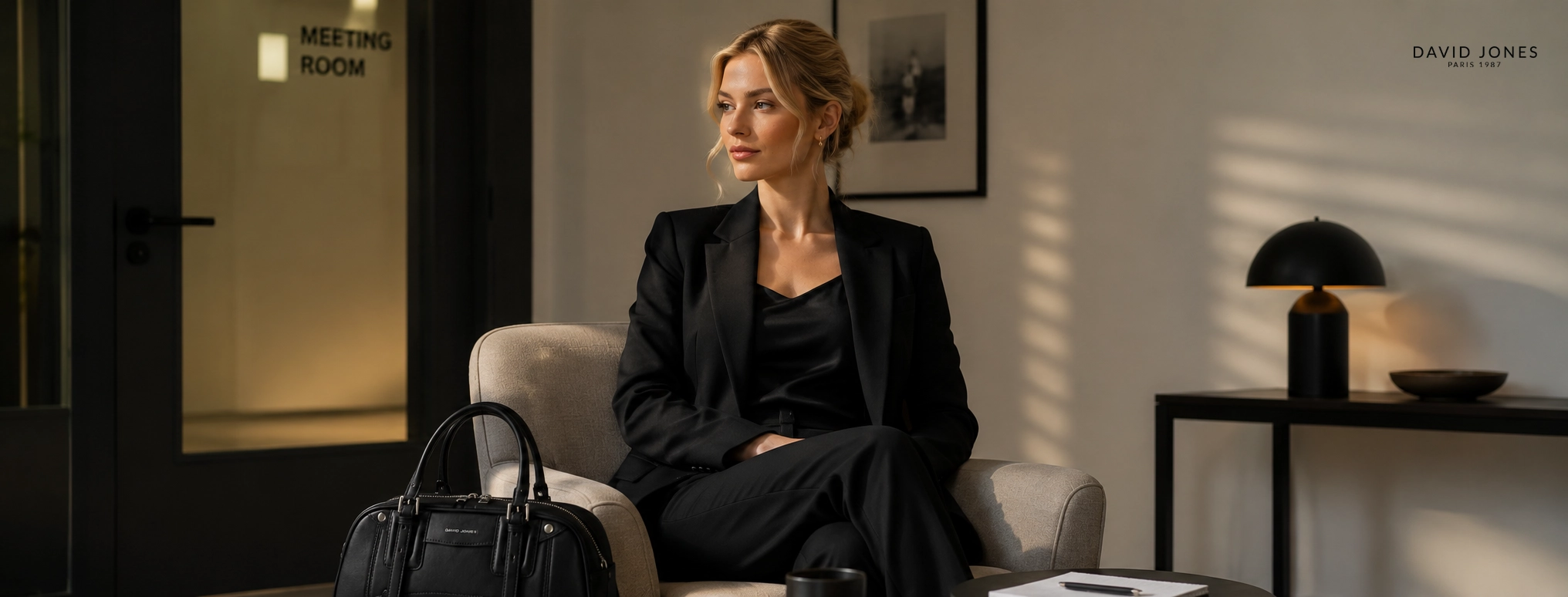
What to Wear to a Job Interview
You only get one chance to make a first impression, and your interview outfit is part of it. That does not mean wearing a stiff suit or abandoning your personal style. The right outfit should look professional, feel comfortable and suit the company’s culture.
A corporate office, creative agency and technology startup may each have different expectations. Even when employees dress casually, an interview usually calls for a more polished version of the everyday dress code. This guide explains what to wear in interview, including suitable colors, shoes, accessories and work and office bags for professional settings across the UAE and wider GCC.
Dress for the Company, Not Only the Role
Dress for the Company, Not Only the Role
Before choosing an outfit, research the workplace. Review the company’s website, LinkedIn page, social media accounts and photographs of employees or company events. The aim is to understand what professional dress looks like in that particular environment.
A bank or law firm may expect formal business clothing, while a fashion brand or creative agency may welcome more individuality. When the dress code is unclear, choose an outfit that is one level more polished than the clothing employees appear to wear every day. You can also ask the recruiter directly whether the interview dress code is business professional, business casual or relaxed. For more inspiration suited to the local climate, explore our guide to summer office outfits in Dubai.
Understanding Interview Dress Codes
One of the most common mistakes is treating every interview as though it requires the same outfit. Your clothing should reflect the industry, company culture, seniority of the role and interview format.
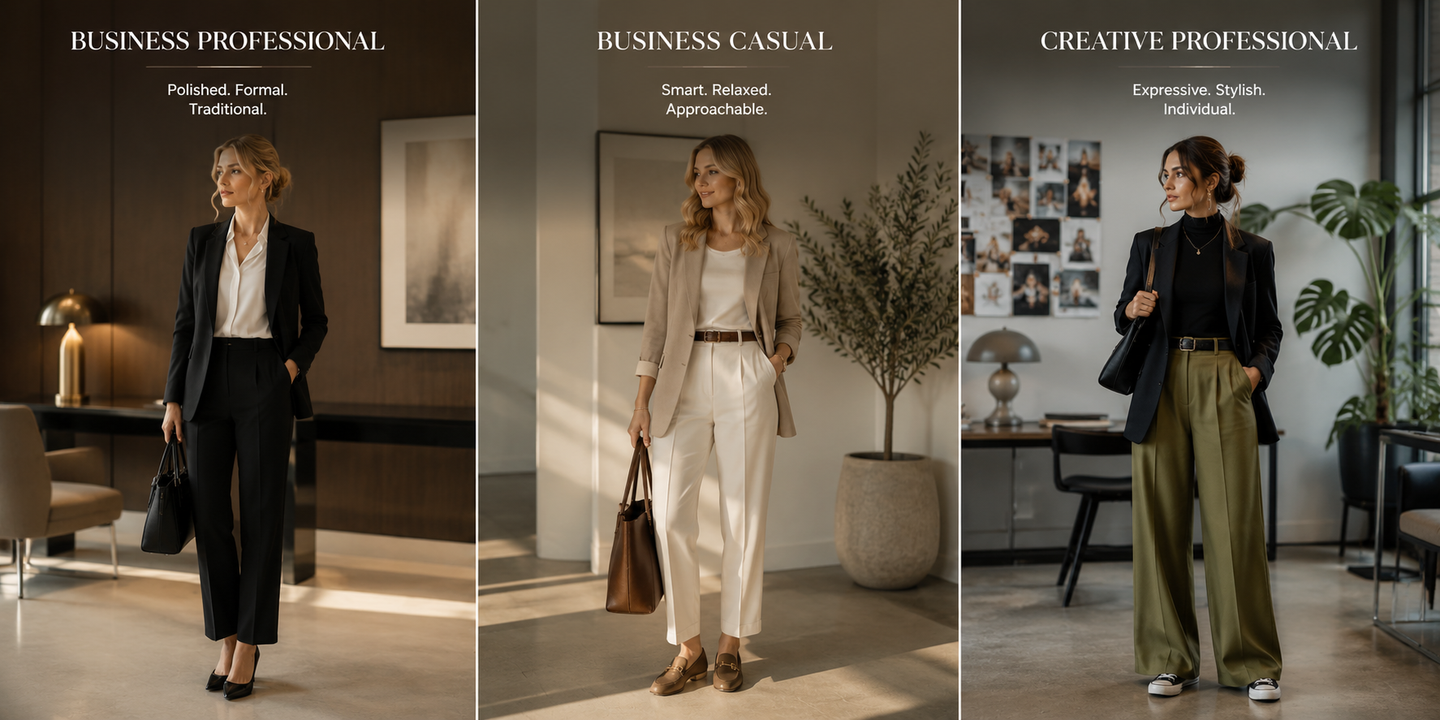
Business Professional
Business professional is the most formal option and is commonly suitable for interviews in finance, banking, law, consulting, government and traditional corporate environments.
Suitable pieces include:
- Tailored trousers or a professional skirt
- A structured blazer
- A blouse or polished top
- A tailored dress
- Closed-toe shoes
- Minimal jewellery
- A structured handbag
Navy, charcoal, black and other muted shades are reliable choices. For example, combine a navy blazer with tailored trousers, a white blouse, black loafers and a structured handbag. The aim is not to look overly conservative; it is to appear prepared, capable and appropriate for the setting.
Business Casual
Business casual sits between traditional formalwear and everyday clothing. It allows greater flexibility while maintaining a professional appearance.
Good options include:
- Tailored trousers
- A blouse or fine-knit top
- A structured cardigan or lightweight blazer
- A knee-length or midi skirt
- A simple professional dress
- Loafers, flats or closed-toe heels
A useful outfit formula is tailored trousers, a blouse, loafers and a simple shoulder bag. Business casual is often suitable for marketing, retail, education, technology, professional services and modern offices, although expectations vary between employers.
Creative Professional
Creative workplaces often allow more room for personal style, but the outfit should still look deliberate and polished. Choose one distinctive element and keep the rest of the look balanced.
You might wear:
- A structured blazer in an interesting colour
- A refined printed blouse
- Tailored trousers
- A minimalist dress
- One statement accessory
- A contemporary handbag
For example, pair a neutral outfit with a burgundy handbag, or wear black trousers with a cream blouse and statement earrings. A single expressive detail can communicate personality without distracting from your experience and qualifications.
Startup Interview
Employees at startups may wear jeans, trainers or T-shirts, but the everyday office dress code should not automatically become your interview dress code. A polished interpretation of the company’s style is usually safer.
Try tailored trousers with a clean knit top, lightweight blazer and loafers. For a more relaxed workplace, dark straight-leg trousers, a blouse, minimal accessories and a structured crossbody bag can work well. The goal is to show that you understand the environment while still treating the interview as an important professional occasion.
The Best Colours for a Job Interview
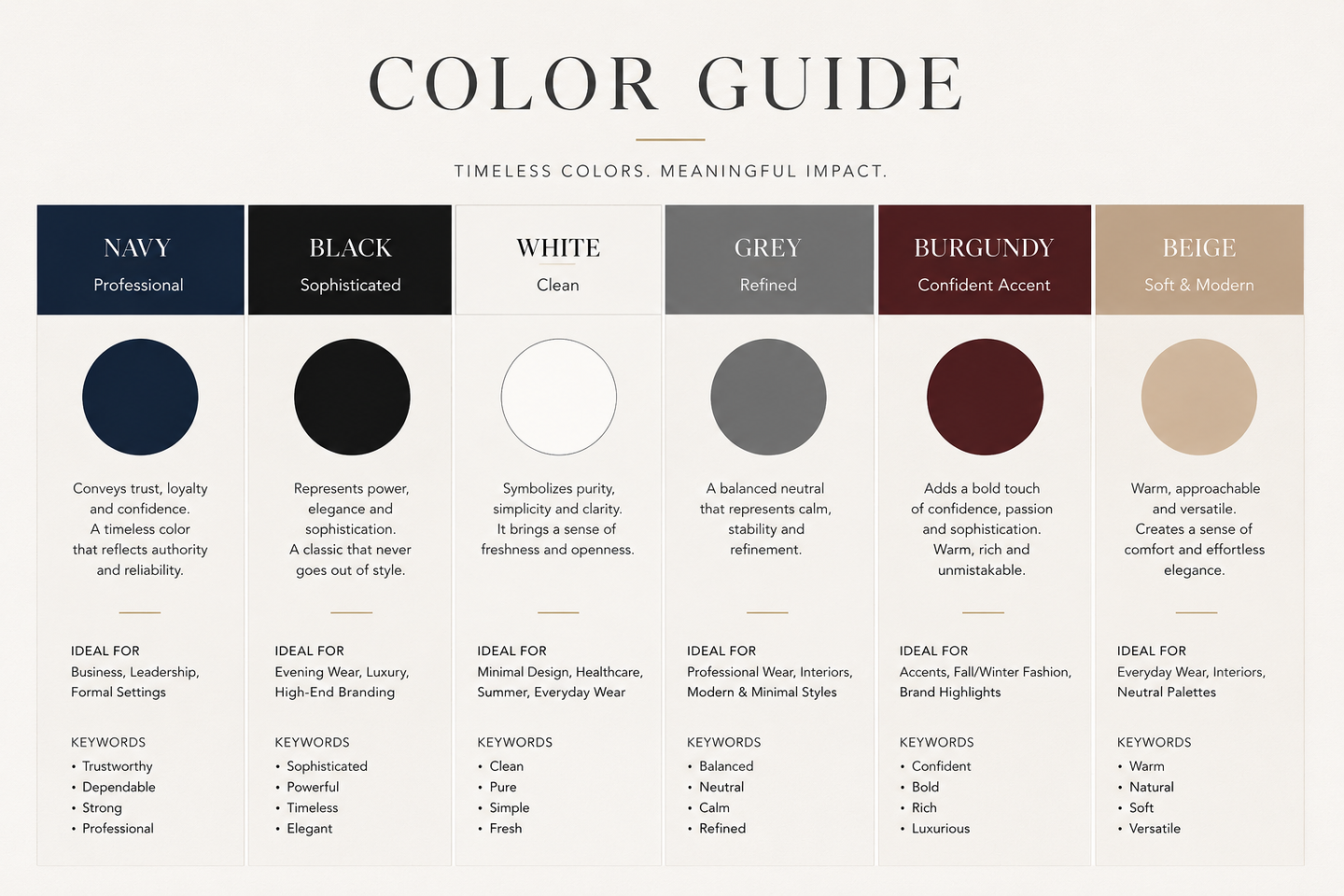
There is no single correct interview colour. Choose shades that complement you, suit the workplace and keep attention on the conversation.
Navy
Navy is versatile and polished without appearing as strong as black. It works particularly well for blazers, trousers and dresses.
Black
Black is classic, sophisticated and easy to coordinate. It is a dependable choice for trousers, blazers, dresses, shoes and bags, although an entirely black outfit can be softened with cream, beige or subtle metallic accessories.
White and Cream
White and cream shirts, blouses and tops brighten darker tailoring and create a clean professional look. Check the fabric in natural light to ensure it is not too sheer.
Grey
Grey is an elegant alternative to black. Charcoal is especially suitable for formal settings, while lighter greys work well for business-casual interviews.
Beige and Camel
These softer neutrals are useful for creative and business-casual environments. They also coordinate easily with black, navy, brown and cream accessories.
Burgundy and Deep Green
Rich colours can work well as controlled accents. Introduce them through a blouse, handbag, scarf or pair of shoes rather than using several bold colours at once. For more ideas, see our guide to the best bag colours for work.
Can You Wear Bright Colours to an Interview?
Yes, provided the colour does not dominate the entire look. A cobalt blazer with neutral trousers and simple accessories can appear confident and professional. Multiple competing colours, prints and accessories may be distracting.
A simple formula is:
Neutral base + one colour accent
This approach allows you to express your style while keeping the overall impression focused and professional.
Why Fit and Comfort Matter
Even an expensive outfit can look untidy if it does not fit properly. Check the shoulders of a blazer, trouser and sleeve length, waist fit, skirt length and the way a dress sits when you move.
Try the complete outfit in advance. Sit down, walk, reach for a notebook and make sure you can move comfortably without adjusting your clothing. Avoid restrictive pieces or shoes you have never worn before. During the interview, your attention should be on the conversation rather than your outfit.
What Shoes Should You Wear?
Interview shoes should be clean, comfortable and appropriate for the workplace. Suitable choices include:
- Loafers
- Smart flats
- Closed-toe heels
- Polished ankle boots
- Minimal, professional shoes
Classic loafers or closed-toe heels are dependable for formal interviews. Clean, understated footwear offers more flexibility in business-casual or creative settings.
Avoid shoes that are difficult to walk in, extremely high heels, visibly worn footwear and designs that draw excessive attention. Professional clothing should help you feel composed, not uncomfortable.
How to Choose Interview Accessories
Accessories should support your outfit without competing with it. A watch, simple jewellery, a subtle belt or a lightweight scarf can add a polished finish. If your clothing is already structured or detailed, keep accessories minimal. With a simple outfit, one distinctive piece can add personality.
Before leaving, check whether any jewellery makes noise when you move and avoid bringing more accessories than you need. A clean, organised wallet or card holder will also help you find essentials quickly.
What Kind of Bag Should You Take to an Interview?
Your bag contributes to your professional appearance while carrying everything you may need, including your phone, wallet, keys, notebook, pen, documents, portfolio or laptop.
A structured handbag is a polished choice for formal environments, while a refined shoulder bag works well for business-casual settings. A clean crossbody bag may suit a startup or creative workplace, particularly when you need to keep your hands free during the commute.
Choose a bag large enough for your essentials but not so full that it loses its shape. Remove unnecessary items, organise documents in a folder and check that the exterior, handles and hardware are clean. Your bag should complement the outfit rather than become its main focus.
Should Your Handbag Match Your Shoes?
Your handbag and shoes do not need to be exactly the same colour. Aim for harmony instead of a perfect match. For example:
- Navy outfit + tan handbag + brown loafers
- Cream outfit + burgundy handbag + neutral shoes
- Black outfit + camel handbag + black shoes
The bag can repeat an existing colour, complement the outfit’s palette or introduce one subtle accent. This creates a more modern and considered result. Our guide to matching bags and shoes offers more practical colour combinations.
What Not to Wear to a Job Interview
Extremely Casual Clothing
Unless the employer specifically advises otherwise, avoid clothing that looks better suited to the gym, beach or a relaxed weekend.
Large Logos or Messages
Prominent branding, slogans and graphics can distract from the professional impression you want to create.
Wrinkled or Poorly Maintained Clothing
A simple outfit that is clean and pressed will look more polished than an expensive outfit that has not been cared for properly.
Uncomfortable Shoes
Choose footwear you can walk and stand in confidently, especially if the interview location involves a long corridor, stairs or a walk from the car park.
Clothing That Feels Too Revealing
Choose pieces that allow you to sit, move and communicate comfortably. For workplaces with more conservative dress expectations, common across parts of the GCC, favour appropriate necklines, hemlines and shoulder coverage.
Too Many Statement Accessories
One distinctive accessory can look intentional. Several competing pieces may make the outfit feel busy.
Anything That Requires Constant Adjustment
If you need to repeatedly fix the neckline, pull down a skirt or reposition a blazer, choose a different outfit.
What to Wear to a Virtual Job Interview
A video interview deserves the same preparation as an in-person meeting. Dress professionally from head to toe so you remain comfortable and prepared if you need to stand.
On camera, solid colours, clean silhouettes, minimal patterns and a polished neckline usually work well. Avoid distracting logos, noisy jewellery and very fine patterns that may distort on screen.
Test your outfit using the same camera and lighting you will use for the interview. Check the background, camera position, sound and internet connection in advance. The frame should be tidy and well lit, with the camera positioned close to eye level.
What to wear for a job interview in the GCC Climate
Hot weather does not require sacrificing professionalism. In the UAE and wider GCC, the main challenge is often moving between outdoor heat and strongly air-conditioned interiors.
Look for:
- Lightweight, breathable fabrics
- Relaxed but tailored silhouettes
- Light or versatile neutral colours
- Comfortable shoes suitable for the journey
- Minimal, removable layers
- Fabrics that remain opaque in bright sunlight
A lightweight blouse with tailored trousers may be more comfortable than a heavy suit. If a blazer is appropriate, choose an unlined or lightly constructed design and carry it until you reach the interview venue. Allow extra travel time so you can arrive composed, check your appearance and cool down before the meeting. For more warm-weather workwear ideas, explore our guide to summer office outfits in Dubai.
Five Easy Interview Outfit Formulas
1. Classic Corporate
Tailored trousers + blouse + blazer + loafers + structured handbag
Best for: Finance, banking, law, consulting and traditional corporate roles.
2. Modern Business Casual
Wide-leg tailored trousers + fine-knit top + loafers + shoulder bag
Best for: Modern offices and professional services.
3. Creative Professional
Tailored trousers + distinctive blouse + minimal jewellery + contemporary handbag
Best for: Fashion, media, marketing and creative roles.
4. Minimalist
Monochrome outfit + structured bag + simple shoes
Best for: Understated personal style and a wide range of workplaces.
5. Warm-Weather Interview
Lightweight blouse + tailored trousers + loafers + structured crossbody bag
Best for: Hot weather and less formal workplaces.
How to Look Professional Without Losing Your Style
Professional does not have to mean generic. Keep the foundation of your outfit appropriate for the workplace, then introduce personality through one or two controlled details.
You might combine a classic outfit with an interesting handbag, neutral clothing with statement earrings, tailored trousers with a distinctive blouse or a monochrome look with coloured shoes. This works particularly well in creative industries where presentation can form part of your professional identity.
Your clothing should not distract from your qualifications, but it can quietly communicate confidence and self-awareness.
Job Interview Outfit Checklist
Clothing
- Clean and wrinkle-free
- Comfortable when sitting and moving
- Appropriate for the company culture
- Free from distracting logos or messages
- Suitable for the expected level of formality
Shoes
- Clean and polished
- Comfortable to walk in
- Appropriate for the workplace
- Worn and tested before the interview
Accessories and Bag
- Minimal and intentional
- Coordinated with the outfit
- Bag is clean and organised
- Enough room for documents and essentials
- Suitable for the interview setting
Final Check
- Test the outfit while sitting down
- Check it in natural light
- View it on camera for a virtual interview
- Make sure you can move without adjusting it
Final Thoughts
The best job interview outfit is not necessarily the most expensive. It is the one that makes sense for the role, the company and you.
Research the workplace, choose the right level of formality and focus on fit, comfort and clean details. If you are uncertain, start with a polished outfit, appropriate shoes, understated accessories and a practical bag. Then allow your personality to appear through one subtle detail.
Your outfit has one simple job: to help you enter the interview feeling prepared, confident and ready to explain what you can bring to the role.
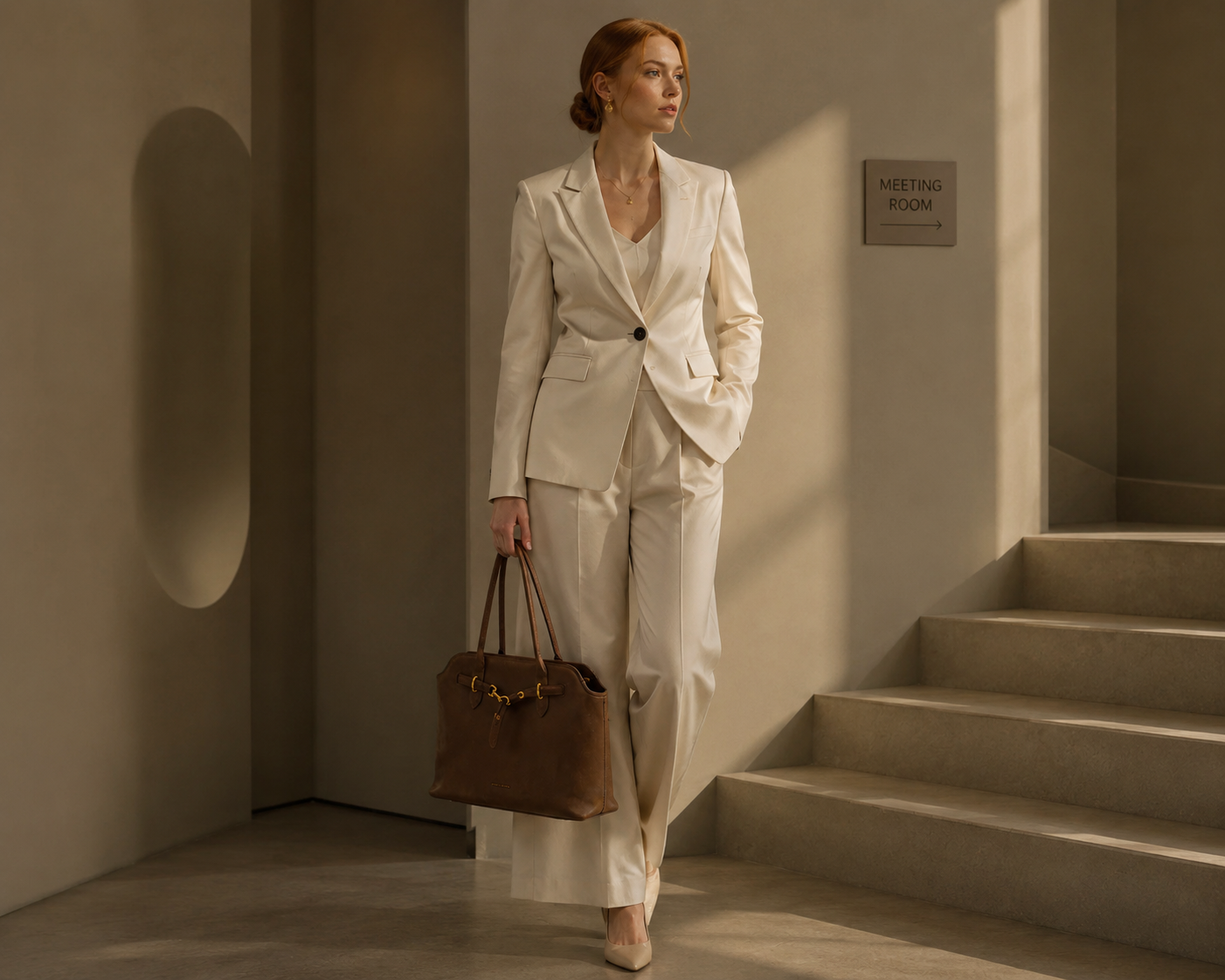
Navy, black, grey, white, cream and other muted colors are versatile choices. If you want to introduce a stronger color, use it as an accent through a blouse, shoes, handbag or another accessory.
A suit can be an appropriate choice for formal industries and corporate environments. If the company is business casual, you may have more flexibility, but when you’re uncertain, choosing a slightly more formal outfit is generally safer.
Choose a clean, structured handbag, shoulder bag or understated crossbody depending on the formality of the workplace. The bag should be practical enough to carry your essentials without distracting from your overall appearance.
Avoid clothing that is excessively casual, uncomfortable, wrinkled, overly revealing or distracting. Large logos, excessive accessories and shoes you cannot comfortably walk in are also best avoided.