
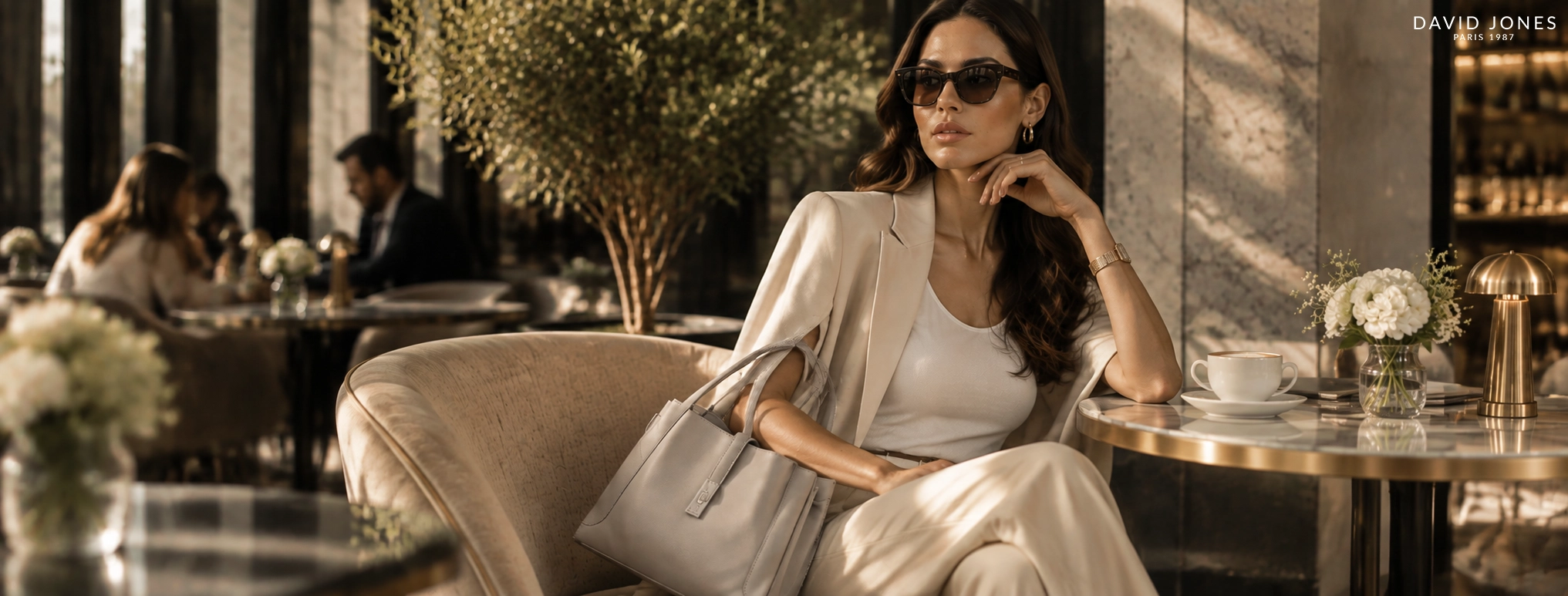
Make Your Outfit Look More Expensive
Looking expensive does not mean wearing designer labels or spending a fortune on your wardrobe. In many cases, a polished outfit comes down to a few thoughtful styling choices: good fit, coordinated colours, well-maintained clothing and carefully chosen accessories.
The good news is that you can create a more elevated look using many of the pieces you already own. Here are 10 simple ways to make your outfit look more expensive without overcomplicating your wardrobe.
What Makes an Outfit Look Expensive?
An expensive-looking outfit is usually less about the price tag and more about how intentional the overall look feels. Fit, proportion, fabric, colour, condition and accessories all influence the final impression.
A refined outfit often has:
- Balanced proportions
- Clean, well-maintained clothing
- A cohesive colour palette
- Fabrics with good structure or drape
- Simple, considered accessories
- A clear focal point rather than too many competing details
Instead of asking how much an outfit costs, it can be more useful to ask whether every part of it works together.
10 Simple Ways to Make Your Outfit Look More Expensive
1. Focus on Fit and Proportions
One of the quickest ways to make an outfit look more polished is to make sure your clothes fit properly.
Even an affordable blazer, pair of trousers or dress can look more refined when the proportions suit your frame. Clothing that is excessively long, tight or loose, on the other hand, can make an outfit feel unfinished.
Think about balance as well as size. An oversized top can work well with more structured bottoms, while wide-leg trousers often look more intentional with a fitted or neatly tucked top. Small alterations to sleeve length, trouser length or waist definition can also make a noticeable difference.
For more guidance on choosing proportions that work with your shape, read How to Choose the Right Outfit for Your Body Type.
2. Keep Your Clothes Crisp and Well-Maintained
Clothes do not need to be expensive to look polished, but they do need to look cared for.
Wrinkles, lint, loose threads, worn buttons or dirty shoes can distract from an otherwise well-styled outfit. Before leaving home, check the details that are easy to overlook:
- Steam or press wrinkled clothing
- Remove visible lint and loose threads
- Check buttons and hems
- Clean your shoes
- Make sure bags and accessories are in good condition
A few minutes of maintenance can make familiar pieces look significantly more refined.
3. Build a Cohesive Colour Palette
Colour coordination is one of the simplest ways to make an outfit feel more intentional.
You do not have to wear only beige, black or white. The aim is to choose colours that work together rather than compete for attention.
Tonal dressing is an easy option. Try combining different shades from the same colour family, such as:
- Cream, beige and camel
- Chocolate brown, tan and cream
- Black, charcoal and grey
You can also use a stronger colour as the focal point while keeping the rest of the outfit more restrained. The goal is coordination, not avoiding colour altogether.
4. Choose Better-Looking Fabrics and Textures
Fabric has a major influence on how polished an outfit appears.
When choosing clothes, consider the texture, weight, structure, drape and finish of the material. A fabric does not have to be expensive, but it should support the shape of the garment and look appropriate for the style.
A structured blazer, smooth knit or fluid dress can often look more elevated than a similar piece made from fabric that appears overly thin, stiff or poorly finished.
5. Keep Your Outfit Simple
Adding more does not always make an outfit better.
Too many colours, patterns, accessories and statement pieces can compete with one another and make the overall look feel busy. A simpler outfit usually benefits from a clear focal point.
For example:
- White shirt + tailored trousers + structured handbag
- Simple black dress + shoulder bag + minimal jewellery
If an outfit feels crowded, removing one element can sometimes improve it more than adding another.
6. Add One Polished Accessory
A single well-chosen accessory can change the impression of a simple outfit.
That accessory might be a structured handbag, refined watch, simple belt, elegant sunglasses, silk scarf or minimal jewellery.
The idea is not to add several statement pieces at once. Choose one element that gives the outfit structure, contrast or personality.
7. Choose a Handbag That Complements Your Outfit
Your handbag does not need to match your shoes or clothing exactly. It should work with the outfit as a whole.
For a neutral outfit, a black, tan, taupe, cream or brown bag can maintain a refined look. With a colourful outfit, a neutral handbag can provide balance. With a very minimal outfit, a structured or distinctive bag can become the focal point.
Pay attention to the outfit’s silhouette, color palette and occasion. A structured handbag can add definition to workwear or tailoring, a shoulder bag can create a softer finish, and a crossbody bag can offer a practical option for everyday outfits.
A versatile bag that works across several looks is often more useful than one that only suits a single outfit.
8. Coordinate Your Shoes and Bag Without Matching Them Exactly
Shoes and handbags do not have to be identical to look polished together.
Instead of matching them literally, look for a connection through tone, texture or overall mood. For example:
- Black shoes + chocolate brown handbag
- Cream shoes + tan handbag
- White sneakers + structured neutral bag
A useful question is not “Do my bag and shoes match?” but “Do these pieces feel like part of the same visual story?”
For more ideas, see How to Match Bags and Shoes.
9. Pay Attention to Small Details
Small details can have a surprisingly large effect on the final look.
Check elements such as buttons and closures, belts, bag hardware, jewellery, watches, sunglasses, collars and cuffs. Even deciding whether a shirt looks better tucked or untucked can change the balance of an outfit.
You do not need to change everything. The goal is simply to make these details feel deliberate rather than accidental.
10. Choose Quality Over Quantity
You do not need a large wardrobe to create polished outfits. A smaller collection of well-coordinated pieces can often give you more styling options.
Useful wardrobe staples might include well-fitting trousers, a classic shirt, a versatile dress, a structured blazer, neutral shoes, a versatile handbag and simple accessories.
When pieces work well together, it becomes easier to create different outfits without constantly buying something new. Before adding another item to your wardrobe, consider how many existing pieces you could realistically wear it with.
Final Thoughts
Making an outfit look more expensive is not about making it look obviously costly. It is about creating a look that feels considered, balanced and well cared for.
Start with fit, keep your clothes in good condition, coordinate your colours, choose fabrics carefully and avoid overloading the outfit with unnecessary details. Then use one or two well-chosen accessories to bring the look together.
Complete Your Look With David Jones
The right accessory can help complete an outfit without requiring a completely new wardrobe.
Explore David Jones women’s handbags to find versatile styles for everyday, work and occasion dressing.
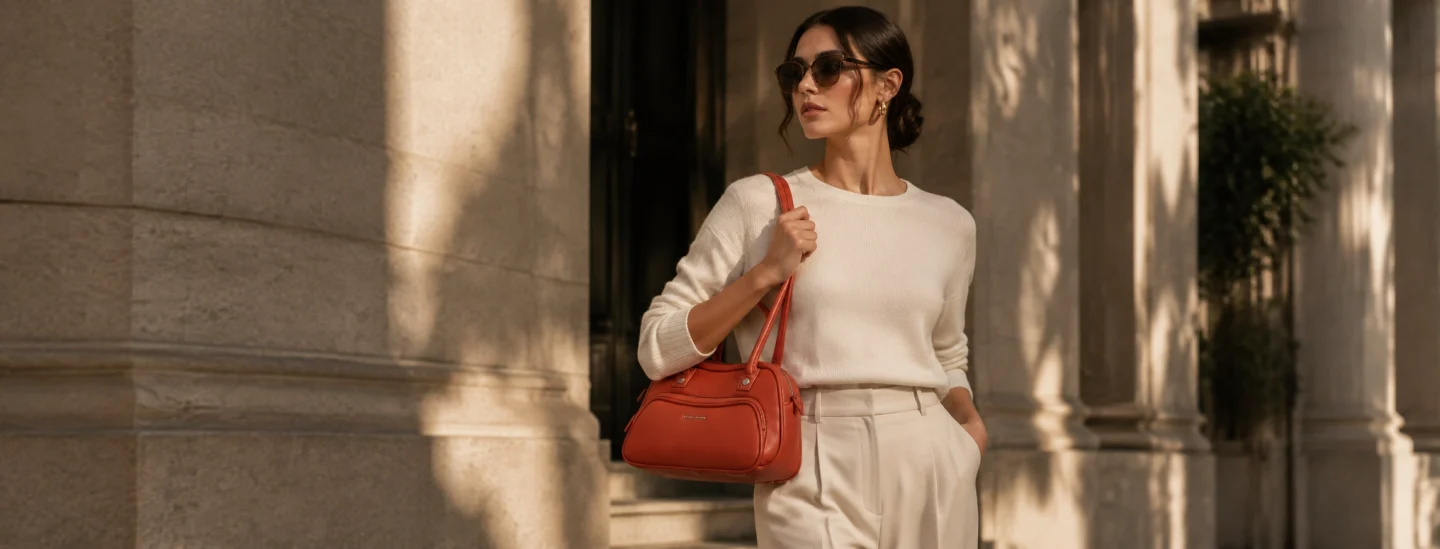
Start with the wardrobe you already own. Improve the fit, steam your clothes, coordinate your colors and add one polished accessory such as a structured handbag or belt.
Neutral and tonal color combinations such as cream, beige, camel, brown, navy, grey and black can create a refined appearance. However, color itself doesn’t determine whether an outfit looks expensive; coordination and styling matter more.
Yes. A well-chosen handbag can act as a finishing piece and add structure and polish to a simple outfit. The best choice depends on the outfit, occasion, color palette and proportions.
Start by steaming or pressing your clothes and checking the fit. Then simplify the outfit and add one well-chosen accessory.